Is Lancaster, PA, a good place to live? For many buyers, yes. Lancaster offers an active small city, established residential neighborhoods, and access to Philadelphia and New York by rail.
Yet Lancaster looks different on a weekday morning than it does during a weekend visit. Downtown residents may walk to Central Market, while someone in a rural township could drive several miles for groceries.
Both locations offer appealing homes, but their daily routines are different.
For anyone considering moving to Lancaster, PA, the property itself is only part of the decision. Local taxes, neighborhood amenities, employment, and commuting arrangements all influence the experience.
Before choosing a home, consider what an ordinary Tuesday would look like in that location.
Is Lancaster, PA, a Good Place to Live Day to Day?
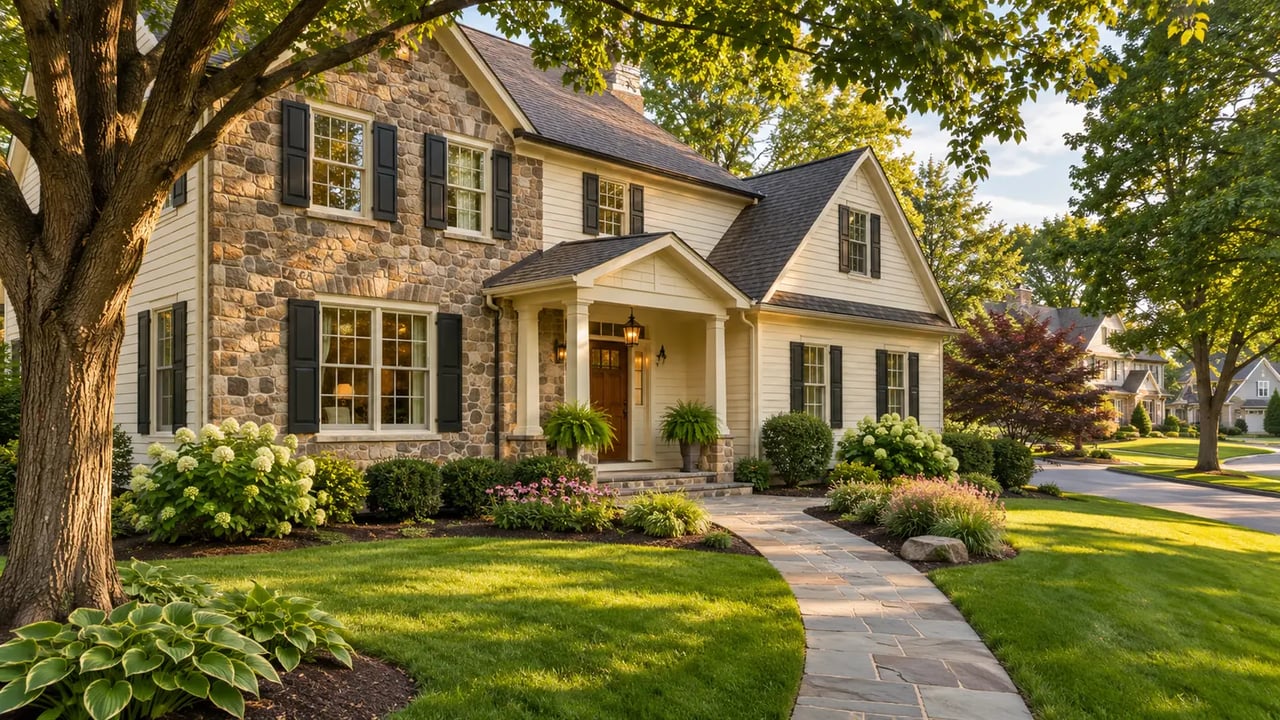
Lancaster offers a combination of urban amenities, traditional boroughs, established suburbs, and agricultural surroundings. Residents can choose locations with different levels of walkability, outdoor space, and access to services.
Downtown Lancaster has restaurants, galleries, independent shops, and cultural venues concentrated around Penn Square and neighboring streets.
Communities such as Lititz and East Petersburg offer smaller borough settings. Meanwhile, Manheim Township and Hempfield provide residential neighborhoods near shopping centers, recreational facilities, and major roads.
Farther into the county, rural properties may include larger lots, mature landscaping, and agricultural views.
Employment requirements can influence the decision considerably. Remote workers may prioritize a dedicated office, while frequent travelers might need convenient access to Route 283 or Lancaster Station.
Buyers seeking local employment should investigate their specific industry. Lancaster's employment market is smaller than those of Philadelphia, New York, and Washington, DC.
The right address should accommodate your working schedule, transportation needs, and preferred daily activities.
What Is the Cost of Living in Lancaster, PA?
The cost of living in Lancaster, PA, depends on housing, transportation, property taxes, and household expenses. Relocating from a more expensive metropolitan area may reduce certain costs, although savings vary by household.
According to the Lancaster County Association of REALTORS®, the county's median home sale price was $353,500 in October 2026.
The association recorded 484 closed sales that month, with a median of 11 days on market.
These figures cover transactions throughout Lancaster County. Prices in individual neighborhoods can differ considerably from the countywide median.
How Does Lancaster Compare With Philadelphia, New York, and DC?
The MIT Living Wage Calculator estimates the income needed to cover basic household expenses in different locations.
Its February 2026 figures provide the following comparison for one working adult without children.
Location | Estimated hourly living wage |
Lancaster County, PA | $23.80 |
Philadelphia County, PA | $23.34 |
Montgomery County, PA | $26.97 |
Bergen County, NJ | $28.74 |
New York County, NY (Manhattan) | $38.21 |
Washington, DC | $26.72 |
Source: MIT Living Wage Calculator, February 15, 2026. Estimates assume 2,080 annual working hours.
Lancaster's estimated basic living expenses are lower than those of several expensive metropolitan locations. However, Philadelphia County's estimate is slightly lower for this household type.
Costs also change when a household includes children, multiple earners, or different transportation requirements.
Someone moving from Manhattan may experience substantial changes in housing expenses. A buyer relocating from a Philadelphia suburb could face a much narrower difference.
Property Taxes Require Attention
Lancaster County properties are subject to applicable county, municipal, and school district taxes.
Two homes with similar purchase prices may carry different annual tax bills because of their assessments and taxing jurisdictions.
Lancaster County is also implementing a countywide property reassessment for 2027.
According to the county's reassessment guidance, previous millage rates cannot simply be applied to the new assessment values.
Adjusted rates will determine future tax calculations.
Before making an offer, review the property's existing taxes, assessment information, and available reassessment details.
What Can Your Existing Home Equity Buy?
Consider a hypothetical homeowner selling an $850,000 property in northern New Jersey and purchasing a Lancaster home for $625,000.
The $225,000 difference between the purchase prices doesn't account for mortgage balances, selling costs, financing, or relocation expenses.
Depending on the available equity, the buyer might prioritize additional bedrooms, a home office, or a larger lot.
At higher price points, Lancaster County also offers custom residences, estate properties, and homes in established luxury neighborhoods.
The article on what $1 million buys in Lancaster PA examines these housing options across different locations.
Compare the complete monthly ownership costs before deciding whether a lower purchase price makes a move more affordable.
To investigate current availability, browse Lancaster County homes for sale by budget, property type, and location.
What Are the Pros and Cons of Living in Lancaster, PA?
Lancaster appeals to residents who enjoy smaller-city amenities and access to quieter surroundings. However, transportation and employment limitations deserve consideration before relocating.
Advantages of Living in Lancaster
- Walkable downtown amenities: Restaurants, galleries, Central Market, and cultural venues occupy a relatively compact area.
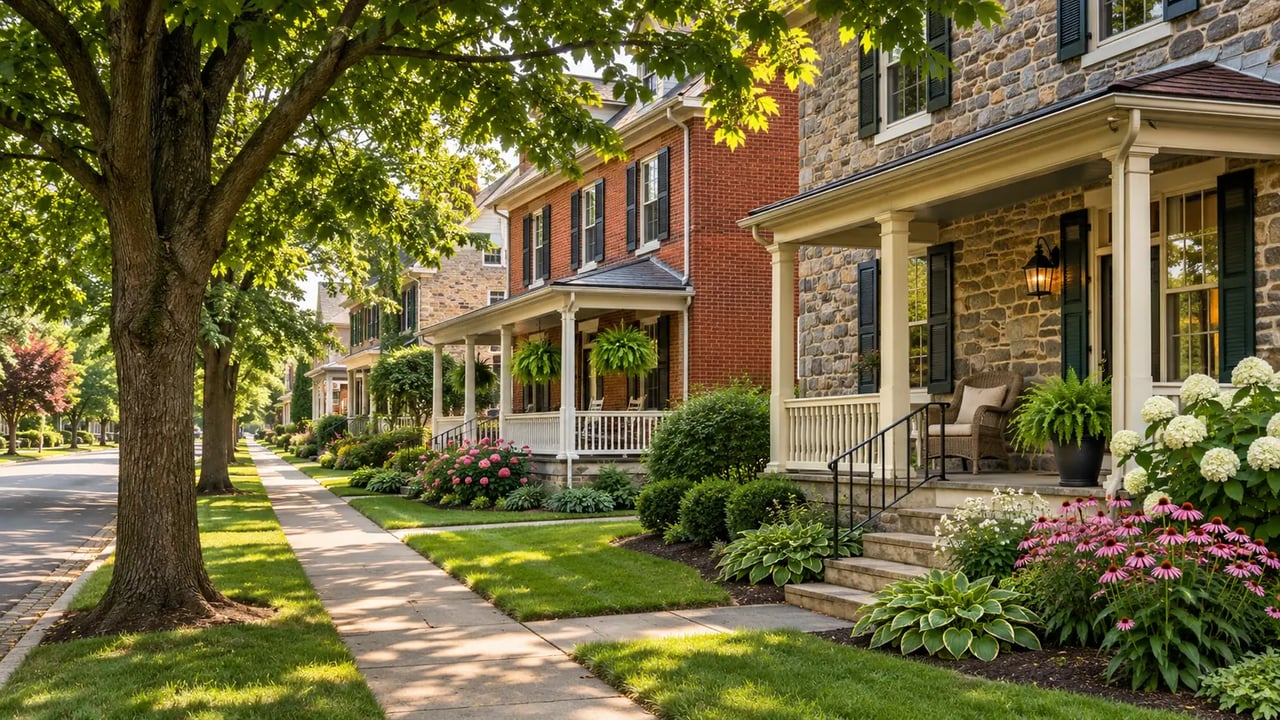
- Varied residential settings: Buyers can explore historic city houses, established subdivisions, traditional boroughs, and rural properties.
- Rail connections: Amtrak provides service between Lancaster, Philadelphia, and New York.
- Outdoor recreation: County parks, trails, and surrounding countryside offer opportunities for walking, cycling, and other activities.
- Local businesses and community events: Lancaster's boroughs and downtown neighborhoods feature independent shops, restaurants, and recurring activities.
Lancaster Central Market is one example of the city's everyday character.
The market operates on Tuesdays, Fridays, and Saturdays, with vendors selling produce, baked goods, meats, and prepared foods.
For people living nearby, visiting the market can be part of their regular grocery shopping.
Disadvantages of Living in Lancaster
- Car dependence: Many suburban and rural households need vehicles for shopping, appointments, and commuting.
- A smaller employment market: Specialized professions may offer fewer local opportunities than major metropolitan areas.
- Congestion on major routes: Routes 30, 222, and 283 can experience delays during busy periods.
- Limited public transportation: Local bus coverage and service frequency vary throughout Lancaster County.
- Fewer metropolitan amenities: Some shopping, entertainment, and long-distance travel needs require trips outside the area.
Tourism can also affect traffic around Route 30 and other popular commercial destinations.
If your schedule depends on a particular road, test that route during the hours you'll actually travel.
Where Are the Best Places to Live in Lancaster County, PA?
The best places to live in Lancaster County, PA, depend on your preferred housing style, budget, and proximity to everyday destinations.
Lancaster City, Lititz, East Petersburg, Manheim Township, Hempfield, and rural communities offer different residential environments.
Lancaster City: Walkability and Historic Architecture
Lancaster City provides some of the county's most convenient locations for walking to restaurants, shops, markets, and entertainment.
Penn Square, North Prince Street, and North Queen Street connect many downtown destinations.
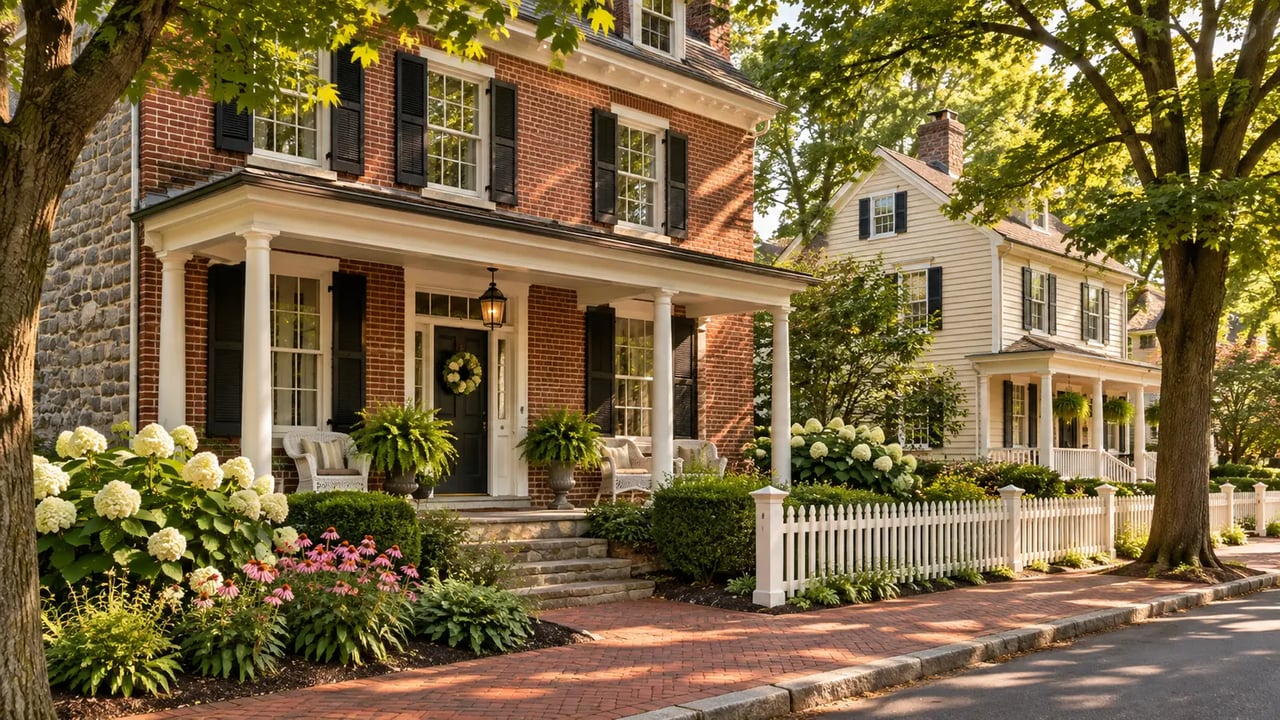
Nearby residential areas include traditional brick rowhouses, renovated townhomes, and larger historic properties.
For buyers who enjoy downtown activities, certain locations reduce the need for frequent short car trips.
However, parking and building maintenance deserve attention.
Some older properties have limited off-street parking, compact outdoor areas, or renovation requirements associated with historic construction.
Buyers interested in architectural character can explore historic homes in Lancaster PA, including property characteristics and ownership expenses.
Best suited to: Buyers who prioritize walking access, restaurants, cultural events, and historic architecture.
Lititz: A Traditional Borough With an Active Main Street
Lititz offers a historic town center with independent shops, restaurants, and community destinations.
Main Street and Broad Street form the borough's commercial heart, while Lititz Springs Park provides green space close to downtown.
Community events bring additional activity throughout the year.
However, a property advertised with a Lititz mailing address may sit outside the borough.
Homes near the center may provide convenient access to businesses and parks. Properties farther into surrounding townships can have different transportation requirements.
Check the actual municipality and distance from downtown rather than relying on the mailing address.
For additional neighborhood details, explore historic charm and modern living in Lititz.
Best suited to: Buyers seeking a smaller-town setting with a recognizable downtown and community amenities.
East Petersburg: A Compact Residential Borough
East Petersburg provides a smaller borough environment north of Lancaster City.
Its residential streets connect with local parks, businesses, and community facilities.
Main Street offers access to local destinations, while nearby roads provide connections to larger shopping and employment areas.
Some addresses have convenient walking access to neighborhood amenities. Others are better suited to residents who regularly drive.
The guide to walkable living and community life in East Petersburg examines local amenities and recreational opportunities.
Best suited to: Buyers interested in a compact community with access to surrounding Lancaster destinations.
Manheim Township and Hempfield: Established Residential Neighborhoods
Manheim Township and Hempfield include established residential areas, shopping destinations, and recreational facilities.
In Manheim Township, neighborhoods around Neffsville, Fruitville Pike, and Lititz Pike offer various home styles and access to major roads.
Overlook Community Campus provides recreational facilities and outdoor activities.
One distinction frequently causes confusion among people unfamiliar with the county.
Manheim Township and Manheim Borough are separate municipalities, with different locations and housing markets.
Josh Wood's article on Manheim Township versus Manheim explains those differences.
Hempfield includes Landisville and other residential communities west of Lancaster City.
Route 283 connects the area with Harrisburg and other regional destinations, although driving times depend on the specific address.
Best suited to: Buyers seeking established suburban neighborhoods, recreational amenities, and access to major roads.
Rural Lancaster County: Larger Lots and Agricultural Surroundings
Rural Lancaster County offers properties with additional land, agricultural views, wooded areas, and sometimes detached buildings.
Some homes have substantial yards or long private driveways. Others sit near working farmland.
Maintenance requirements can differ from those of conventional suburban properties.
Buyers may need to investigate septic systems, private wells, drainage, easements, and the upkeep of additional structures.
Travel to grocery stores, medical services, and employment destinations may also take longer.
For those considering larger properties, luxury homes and estates in Lancaster County covers acreage, property characteristics, and location considerations.
Best suited to: Buyers who prioritize outdoor space and greater separation between properties.
Is Lancaster, PA, a Good Place to Live for Hybrid Commuters?
Lancaster can accommodate hybrid workers traveling to Philadelphia or New York occasionally. Daily long-distance commuting requires more careful planning.
Amtrak's Keystone Service connects Lancaster with Philadelphia and New York along the Harrisburg-Philadelphia corridor.
Lancaster Station is located at 53 McGovern Avenue, north of downtown.
Passengers can travel toward Philadelphia's 30th Street Station and New York's Moynihan Train Hall.
However, scheduled railway time is only part of the journey.
A resident living near Lancaster Station may have convenient access to departures. Someone in a rural township must also account for driving and parking.
Travel arrangements continue after arriving at the destination station.
An office near Philadelphia's main station involves a different commute from one requiring additional public transportation.
What Should Commuters Compare?
Before choosing a home around an existing work schedule, examine four details:
- Train departures and return services that match required working hours.
- Station parking, local transportation, and onward connections.
- Ticket costs based on the expected number of commuting days.
- Alternative routes when services are disrupted.
Driving requires similar preparation.
Routes 30, 222, and 283 connect Lancaster County with different regional destinations. Congestion varies according to time, direction, and road conditions.
A property that works for occasional office visits may be impractical for five days of commuting every week.
What Changes When Moving to Lancaster, PA, From Philadelphia, New York, or New Jersey?
Relocating from a major metropolitan area can change transportation habits, shopping routines, and housing options.
The adjustments depend on where you're moving from and which part of Lancaster County you're considering.
Moving to Lancaster, PA, from Philadelphia
Philadelphia residents may recognize certain features of Lancaster City, including older architecture, independent restaurants, and walkable commercial areas.
However, Lancaster has a smaller downtown and less extensive public transportation.
Buyers leaving Philadelphia's suburbs may find familiar residential layouts in Manheim Township, Hempfield, and other established communities.
Anyone keeping a Philadelphia-based job should compare rail access and driving requirements before selecting a location.
Moving to Lancaster, PA, from New York or New Jersey
Moving to Lancaster, PA, from New York or northern New Jersey may offer opportunities to explore different property sizes and residential settings.
However, transportation arrangements often change considerably.
Someone accustomed to trains and buses may need a private vehicle for errands and appointments.
Housing expenses also require individual comparisons. A lower purchase price may be accompanied by different property taxes, maintenance costs, and transportation expenses.
Buyers retaining employment in New York should investigate the frequency of required office visits.
Relocating From Baltimore or Washington, DC
Buyers leaving Baltimore or Washington, DC may be interested in Lancaster's residential variety and smaller urban environment.
However, those keeping employment farther south should review commuting options before choosing a property.
Remote work arrangements may provide additional flexibility, particularly when office attendance is infrequent.
During a relocation visit, drive the usual commute, visit a grocery store, and explore the neighborhood outside scheduled property showings.
What Should You Check Before Buying a Home in Lancaster County?
Online listings provide useful property information, but certain ownership details require additional investigation.
Out-of-area buyers should review these considerations before making an offer:
- Municipal and school district boundaries: Confirm the property's actual municipality and applicable school district. Mailing addresses aren't always sufficient.
- Property taxes and assessments: Examine current tax information and investigate potential changes associated with the 2027 reassessment.
- Commuting routes: Test road access and travel times during the hours you'll normally commute.
- Utilities and internet service: Verify available providers, connection speeds, and whether the property uses private water or wastewater systems.
- Property condition and maintenance: Review inspection findings, drainage, roofing, heating systems, and any additional buildings or land.
Historic properties may require further research.
Lancaster City's Historical Architectural Review Board reviews certain exterior alterations within designated historic areas.
Window replacements, additions, and other exterior changes may require approval.
The article on owning a Lancaster Historic District home discusses preservation rules, renovation considerations, and potential maintenance requirements.
How Can You Buy a Lancaster Home Before Moving There?
Buyers can begin researching Lancaster County properties before arranging an in-person visit.
A focused search helps narrow available listings and make scheduled property tours more productive.
Establish Your Search Requirements
Start with a comfortable purchase budget, financing arrangements, preferred property type, and essential location requirements.
Include commuting frequency, parking needs, outdoor space, and any accessibility considerations.
The Lancaster home search allows buyers to browse current listings and identify properties that meet their requirements.
Use Available Property Information
Online photographs, disclosures, floor plans, and video tours can help buyers evaluate properties remotely.
However, some details are difficult to assess without visiting.
Street noise, parking conditions, nearby buildings, natural light, and the surrounding neighborhood may influence a purchasing decision.
Whenever possible, schedule time to explore the property and its immediate surroundings.
Coordinate Financing and Settlement
Out-of-area buyers may need to sell an existing home before purchasing in Pennsylvania.
Others may have sufficient funds to complete the purchase first.
Financing arrangements, inspection timelines, settlement dates, and moving logistics should be discussed early.
According to the Lancaster County Association of REALTORS®, the median home spent 11 days on the market in October 2026.
Individual properties may sell faster or slower depending on price, condition, location, and market demand.
Josh Wood's homebuyer services provide assistance with evaluating properties, arranging showings, and navigating the purchase process.
Who Can Help You Relocate to Lancaster County?
Josh Wood is a Lancaster-based REALTOR® and Luxury Property Specialist with Coldwell Banker Realty.
He has extensive experience serving Lancaster County buyers and sellers, with hundreds of millions of dollars in real estate transactions throughout his career.
His local market knowledge includes Lancaster City, Lititz, Manheim Township, Hempfield, and surrounding communities.
For relocating buyers, Josh can help compare available properties, evaluate recent sales, arrange viewings, and navigate purchasing requirements.
Property location can introduce considerations that aren't always obvious in online listings, including municipal boundaries, taxes, and neighborhood access.
Josh's office is located at 1000 North Prince Street, Lancaster, PA 17603.
To discuss available properties or relocation plans, contact Josh Wood or call (717) 989-3060.
Is Lancaster, PA, a Good Place to Live for Your Next Move?
Lancaster offers a range of residential settings, from downtown streets to established suburban neighborhoods and larger rural properties.
Each comes with different transportation arrangements, ownership costs, and amenities.
A downtown address may reduce short car trips. A larger property outside the city might provide additional outdoor space while requiring more maintenance.
Choose the location around the life you'll lead there, not solely the features that attract you during a showing.
If you're considering relocating, connect with Josh Wood to explore Lancaster County properties that align with your budget and requirements.
Frequently Asked Questions About Living in Lancaster, PA
Is Lancaster, PA, a Good Place to Live?
Yes, Lancaster offers a compact downtown, established neighborhoods, smaller boroughs, and rural properties. However, transportation needs, employment opportunities, and housing expenses vary throughout the county. Buyers should compare communities according to their preferred lifestyle and budget.
What Is the Cost of Living in Lancaster, PA?
Lancaster County's median home sale price was $353,500 in October 2026. MIT estimated a living wage of $23.80 per hour for one adult without children in February 2026. Actual household expenses depend on housing, property taxes, transportation, and family size.
Is Lancaster, PA, Cheaper Than Philadelphia?
Housing costs vary between Lancaster and individual Philadelphia-area communities. MIT's February 2026 living-wage estimates were $23.80 hourly for Lancaster County and $23.34 for Philadelphia County, based on one adult without children. Transportation, housing type, and property taxes can change the overall comparison.
What Are the Best Places to Live in Lancaster County, PA?
Lancaster City offers downtown amenities, while Lititz and East Petersburg provide traditional borough settings. Manheim Township and Hempfield contain established suburban neighborhoods. Rural areas may appeal to buyers seeking additional land and greater separation between properties.
Is Lancaster, PA, a Good Place to Live Without a Car?
Certain Lancaster City neighborhoods offer walking access to restaurants, markets, shops, and cultural destinations. However, public transportation is more limited throughout the surrounding county. Many suburban and rural residents rely on private vehicles for work, shopping, and appointments.
Is Lancaster, PA, a Good Place to Live for Remote Workers?
Lancaster offers homes with different layouts, including properties suitable for dedicated home offices. Remote workers should verify internet availability at the specific address. Anyone required to visit an employer's office should also investigate railway access, highway connections, and commuting frequency.
Can You Commute From Lancaster, PA, to New York City?
Yes, Amtrak's Keystone Service connects Lancaster with New York through Philadelphia. However, departure times, fares, station access, and onward transportation affect the overall journey. Occasional travel may be more manageable than a daily round trip.
What Should You Know Before Moving to Lancaster, PA?
Before relocating, investigate property taxes, municipality and school district boundaries, commuting arrangements, and available utilities. Lancaster City differs considerably from the surrounding boroughs, suburbs, and rural townships. Visiting during ordinary weekday hours can help buyers evaluate daily transportation and local services.
Who Can Help With Moving to Lancaster, PA?
Josh Wood of Coldwell Banker Realty assists buyers throughout Lancaster County. His experience includes hundreds of millions of dollars in real estate transactions and extensive familiarity with local residential markets. Call (717) 989-3060 or contact Josh Wood to discuss available properties and relocation plans.