Thinking about buying a historic district home in Lancaster? The charm is real, but so are the responsibilities that come with owning a property in one of the city’s protected districts. If you want character, architectural detail, and a home with a story, it helps to know how approvals, maintenance, and long-term planning may differ from a more typical purchase. Let’s dive in.
What Historic District Ownership Means
Owning a home in Lancaster’s local historic district means your property is part of an area the City uses to help preserve historic character while still allowing appropriate change. The City of Lancaster says it currently has two local historic districts: the Lancaster Historic District and the Heritage Conservation District.
For many buyers, the biggest practical point is this: review typically focuses on exterior work, not interior updates. If exterior work is visible from a public street, way, or alley and requires a permit, it generally needs HARB review and a Certificate of Appropriateness before a permit is issued.
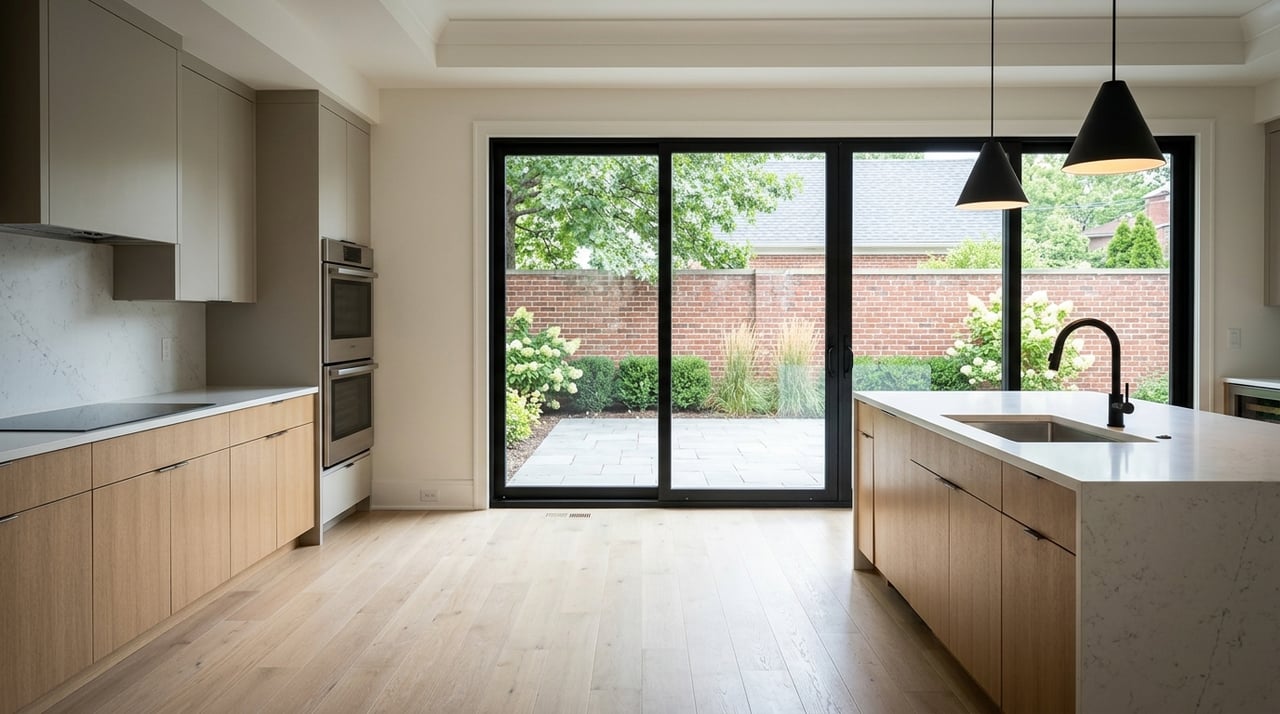
That means your kitchen remodel may not raise district review issues, but changing a front window, porch element, or roof material might. Knowing that distinction early can save you time, money, and frustration.
Why Lancaster Historic Homes Appeal
Lancaster’s historic buildings reflect more than 270 years of settlement, growth, and change. As a buyer, that often means you are not looking at one single architectural type, but a broad mix of forms and periods.
You may see early brick rowhouses on one block and later Victorian or early 20th-century homes on another. That variety is part of what makes the city’s historic housing stock so distinctive and appealing to buyers who want something more memorable than a standard modern layout.
Architectural Styles You May See
Learning a few key style traits can help you evaluate homes during showings. It also helps you understand which exterior details may be considered important to preserve.
Germanic or Colonial Homes
These homes often feature thick walls, asymmetrical façades, one- to one-and-a-half-story massing, central chimneys, and steep roofs. In a showing, these details can signal early construction and a simpler, older building form.
Italianate Homes
Italianate homes often have square bodies, bracketed cornices, tall narrow windows, and strong vertical proportions. Some may also include a tower or cupola, which adds to their visual presence.
Second Empire Homes
One of the easiest identifiers is the mansard roof. You may also notice dormers, bracketed cornices, bay windows, and projecting wall surfaces.
Queen Anne Homes
Queen Anne homes in Lancaster often show asymmetry, busy rooflines, projecting porches and bays, multi-gabled roofs, and stained glass. In the city, some examples are scaled to fit tighter urban lots, which gives them a slightly different feel from larger suburban versions of the style.
Colonial Revival Homes
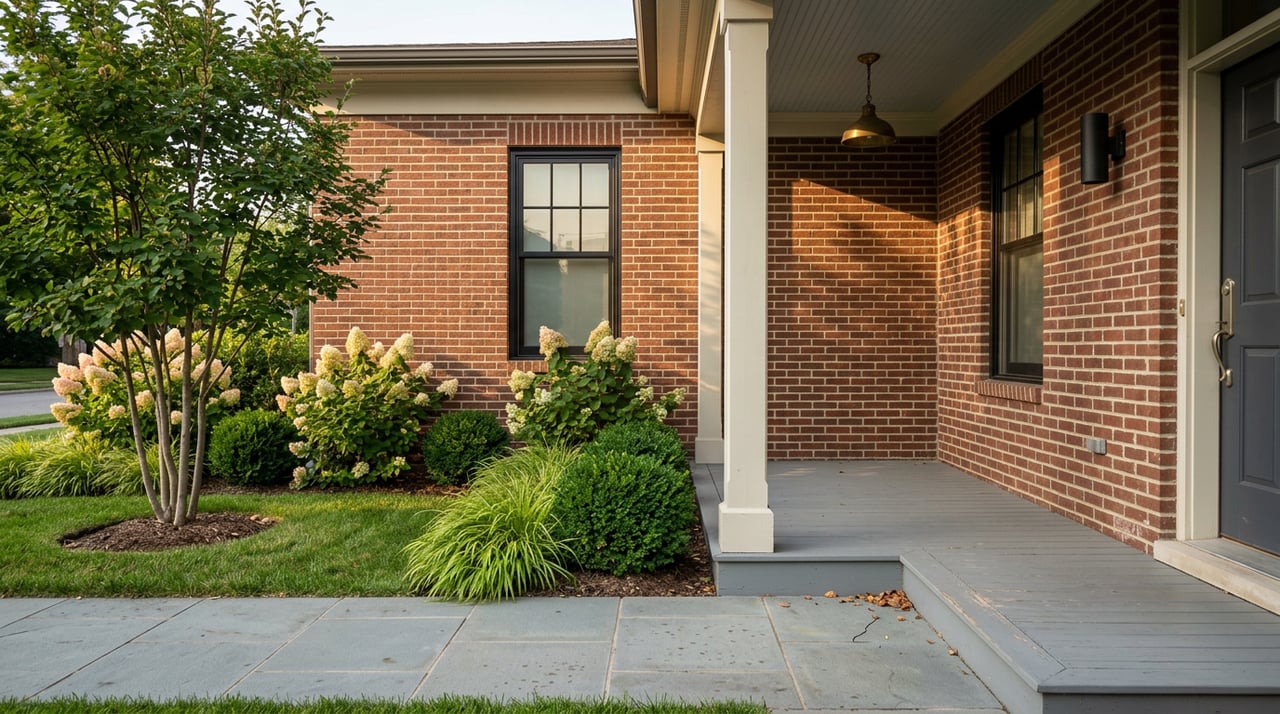
Colonial Revival homes usually have symmetrical façades, central entry porches with classical columns, fanlights or sidelights, decorative cornices, and red brick with lighter trim. These homes often feel formal and balanced from the street.
Why Porches Matter So Much
In Lancaster’s historic district, porches are not just outdoor living space. The City identifies front porches, rear porches, and upper-level balconies as important parts of a building’s design.
That matters because some porches added later still carry historic value. The City notes that many early Federal rowhouses received Victorian porches after original construction, and those later additions may be historically significant in their own right.
If you are buying a home with an older porch, pay close attention to what is original, what has been repaired, and whether previous changes respected the building’s historic character. Removing or dramatically altering a porch can create approval issues later.
Maintenance Priorities for Historic Homes
Historic homes can be deeply rewarding to own, but deferred maintenance can become expensive quickly. Moisture control is one of the biggest long-term concerns for older buildings.
The National Park Service guidance in the research points to a simple starting principle: diagnose the source of moisture first. Ground moisture, rain runoff, ventilation, and regular monitoring all matter.
Roofs and Drainage
Roofs, gutters, and downspouts deserve close review during a showing and inspection. Roof shapes and elements like chimneys and dormers often contribute to the home’s historic character, so they are not just cosmetic features.
Poorly maintained gutters and downspouts can speed up damage to sheathing and framing. Ask when these systems were last maintained and whether water is being directed away from the structure properly.
Masonry and Repointing
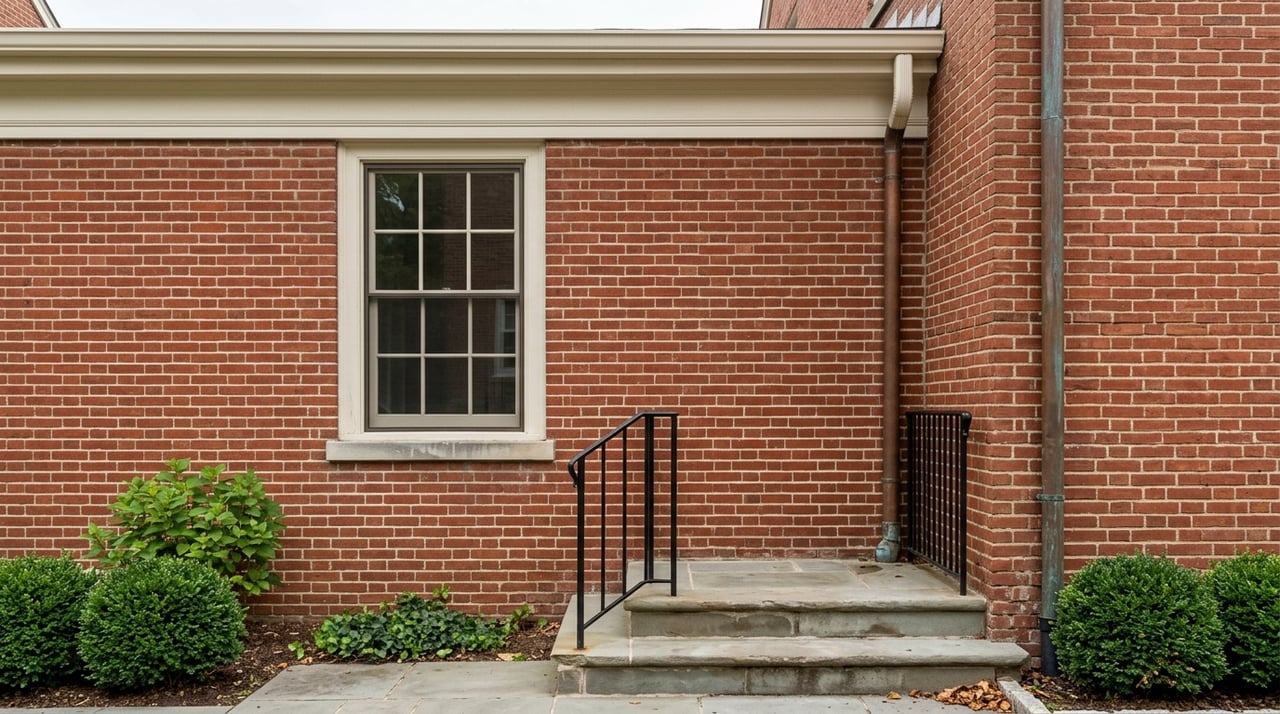
Brick and stone homes can look sturdy from the outside while hiding repair issues. In Lancaster’s historic district, repointing should match the existing mortar in composition, color, joint profile, and width.
Improper repointing can damage the masonry itself. If a seller mentions prior brick or stone repairs, ask how the work was done and whether matching materials and methods were used.
Windows and Repair History
Historic windows are a major part of a home’s appearance. Guidance in the research emphasizes repair over replacement when possible, and when replacement is necessary, the new feature should match the original in design, color, texture, visual qualities, and where possible materials.
For buyers, this means window history matters. A home with carefully repaired windows may be more appealing than one with poorly matched replacements that could complicate future approvals.
Porch Condition
Porches should be inspected regularly, and Lancaster’s guidance supports repair before replacement. If parts are too deteriorated to save, in-kind replacement is the preferred approach.
You should also look for signs of cracks, poor grading, tree contact, and trapped moisture. The City also discourages modern deck-style railings on older front porches and discourages enclosing front porches, so those details are worth flagging early.
What Exterior Changes May Need Review
This is where many buyers get surprised. In the Lancaster Historic District, exterior work visible from a public right-of-way or alley that requires a permit generally needs HARB review and a Certificate of Appropriateness before the permit is issued.
Interior work is not reviewed by HARB. Exterior painting is also not reviewed by HARB, which is helpful for buyers planning cosmetic updates.
Routine maintenance or in-kind replacement with an identical appearance can often be approved administratively if city officials find it consistent with the applicable standards. Still, it is smart to confirm this before starting work.
Common Projects That Can Trigger Review
Examples noted by the City include:
- Replacing a front door
- Removing or changing a porch
- Adding a dormer
- Blocking a window
- Creating a new opening
- Replacing decorative porch columns
- Changing windows from wood to vinyl
- Switching to wrought-iron railings
- Using asphalt shingles instead of wood or slate
- Adding new fences
- Adding flower boxes
- Installing signs
If you are buying with renovation plans in mind, this list should be part of your decision-making before you write an offer.
What the Approval Process Looks Like
The process has real timing implications, especially if you want to begin exterior work soon after closing. City staff first determines whether HARB review is required.
Completed applications need current photos and dimensional drawings. According to the City, there is no application fee, applications cannot be filed online, and completed applications submitted by the deadline are generally reviewed at the first Monday HARB meeting before being forwarded to City Council.
The Certificate of Appropriateness is the step that allows an owner to obtain the required building permit. If your project schedule is tight, this timeline should be part of your budgeting and planning.
Smart Due Diligence Before You Buy
A Lancaster historic district purchase calls for more than a standard walk-through. You want to understand not just the home’s condition, but also the paper trail behind visible exterior work.
Start with documentary questions during the showing, inspection, and contract period. Clear records can tell you a lot about how carefully the property has been maintained.
Questions To Ask Before Closing
Ask for:
- Copies of prior Certificates of Appropriateness
- Copies of permits for exterior work
- Contractor invoices for completed exterior repairs
- A record of which elements are original and which were replaced
- Details on whether the roof, gutters, windows, masonry, and porch were repaired in kind
- Guidance on whether your planned exterior projects are likely to require HARB review
This is one area where local experience matters. Confirming district status early and identifying likely review items can help you avoid costly surprises after settlement.
How To Buy With Confidence
A historic district home can offer character, craftsmanship, and a street presence that is hard to replicate. At the same time, successful ownership usually comes down to realistic planning, strong documentation, and respect for the home’s exterior features.
If you are considering one of Lancaster’s historic properties, it helps to work with an advisor who understands both the city’s review process and the construction details that affect long-term ownership. With the right guidance, you can make a smart purchase and enjoy the history that drew you in to begin with.
If you are considering buying or selling a distinctive Lancaster home, Josh Wood can help you evaluate historic properties with a clear eye for architecture, maintenance, and market positioning.
FAQs
What does owning a Lancaster historic district home mean for renovations?
- If exterior work is visible from a public street, way, or alley and requires a permit, it generally needs HARB review and a Certificate of Appropriateness before a permit is issued.
What parts of a Lancaster historic home are usually reviewed?
- Review is generally focused on exterior features visible from the public way, while interior work is not reviewed by HARB.
Do all exterior projects in Lancaster’s historic district need HARB review?
- No. Exterior painting is not reviewed by HARB, and some routine maintenance or in-kind replacement with identical appearance can often be handled administratively.
What architectural styles are common in Lancaster historic district homes?
- Buyers may see Germanic or Colonial, Italianate, Second Empire, Queen Anne, and Colonial Revival homes, along with a range of rowhouses and later historic forms.
Why are porches important on Lancaster historic homes?
- The City considers porches and balconies important parts of a building’s design, and even later porch additions may have historic value that should often be retained.
What should buyers inspect closely on a Lancaster historic district home?
- Pay close attention to roofs, gutters, downspouts, masonry, windows, and porches, especially for signs of moisture damage, poor repairs, or non-matching replacement work.
What records should buyers request for a Lancaster historic home?
- Ask for prior Certificates of Appropriateness, permits, contractor invoices, and documentation showing what exterior work was completed and whether repairs were done in kind.