A million-dollar listing can have beautiful photographs and still be marketed poorly.
The problem usually isn’t the camera. It’s what happened before the photographer arrived, what the images were chosen to show, how the property was described, and what happened after the listing went live.
That’s where the work of a top real estate agent starts to look different.
For a $1M+ Lancaster property, effective marketing has to explain why the home is different. Acreage, historic architecture, custom construction, privacy, renovation work, or an unusual setting can’t be reduced to a bedroom count and square footage.
Josh Wood’s seller services include professional staging, high-end photography, drone imagery, video tours, floor plans, social media marketing, website exposure, and direct network outreach. The value of those tools, though, depends on how they’re used.
A luxury real estate agent doesn’t simply add more media because the price is higher. The campaign has to fit the home.
What Does a Top Real Estate Agent Do Differently Before the Listing Goes Live?
A strong listing campaign begins well before the property appears online.
There’s usually a period where the home is being edited, repaired, documented, photographed, and positioned. That preparation affects almost everything buyers eventually see.
A top real estate agent will usually begin by working out what the home needs to communicate.
Is the land part of the value? Does the architecture need closer attention? Are there recent renovations buyers should understand? Does a large floor plan look confusing without a diagram?
Those questions shape the media before anyone schedules a photo shoot.
Home Staging Should Clarify the House, Not Redesign It
Good home staging isn’t about making every property look like a furniture showroom.
Sometimes it’s as simple as opening a sightline, removing an oversized piece of furniture, or giving a room a clearer purpose.
Large rooms can photograph surprisingly small when they’re crowded. Vacant rooms can create the opposite problem because buyers struggle to judge scale.
A historic property may need even less intervention. Original millwork, fireplaces, built-ins, floors, or masonry are often more interesting than whatever styling could be placed around them.
The aim is to help the house read clearly. That might mean substantial staging. It might also mean leaving a strong room mostly alone.
Build the Media Plan Before Media Day
Photography works better when everyone already knows what matters.
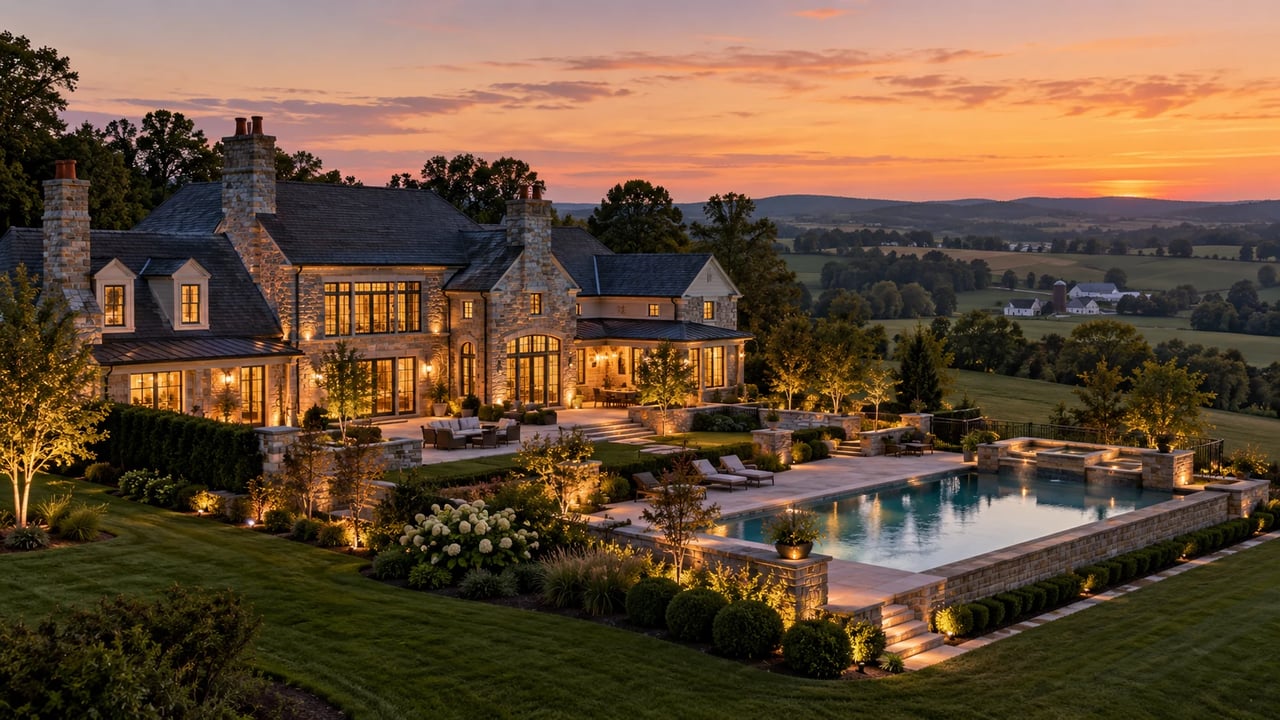
If the home sits on several acres, the photographer needs to understand where the land contributes to the experience. If outdoor entertaining is a major part of the property, pool areas, terraces, gardens, and transitions from the interior deserve proper time.
The same applies to light.
A west-facing terrace may be far more compelling in the evening. A dark wood-paneled library might need different lighting than a white contemporary kitchen.
This is where a real estate listing presentation begins long before the listing itself is assembled.
Professional Photography Should Explain the Property, Not Just Beautify It
The best professional real estate photography does more than make rooms look attractive.
It helps someone who has never entered the home understand what they’re looking at.
That’s especially important for high-value properties because the features separating one home from another can be subtle.
A custom plaster detail, restored staircase, hand-built cabinetry, or carefully designed outdoor room may carry real appeal. Wide-angle photographs alone can flatten those differences.
A good media package mixes scale with detail.
The National Association of REALTORS® includes staging, professional photography, social media, signage, open houses, and competitive pricing among common parts of a home-marketing strategy.
None of those tools replaces the others.
A floor plan answers a question photography can’t. Video shows movement differently from still images. Detail shots can highlight craftsmanship that disappears in a wide room photograph.
The best visual package isn’t the biggest one. It’s the one that makes the property easier to understand.
How Are Luxury Homes Marketed Differently From Standard Homes?
The biggest difference isn’t that luxury homes use completely different tools. It’s that those tools usually have to work harder.
A more conventional listing may be easy for buyers to understand from standard photography, MLS details, and recent comparable sales. A luxury home often has fewer true substitutes, more unusual features, and a smaller buyer pool.
That changes the presentation.
Photography may need to document craftsmanship rather than simply show each room. Video can help explain flow in a large home. Drone footage may be necessary when land, privacy, or multiple structures are part of the value.
The copy also tends to carry more weight because buyers need context around renovations, architecture, outdoor spaces, and custom work.
Good luxury home marketing is therefore less about adding expensive-looking extras and more about answering the questions a standard listing doesn’t need to answer.
Drone Photography Is Useful When the Land Is Part of the Story
Drone photography has become so common in luxury home marketing that it can start to feel automatic.
It shouldn’t be.
Aerial imagery is valuable when the land actually tells part of the story.
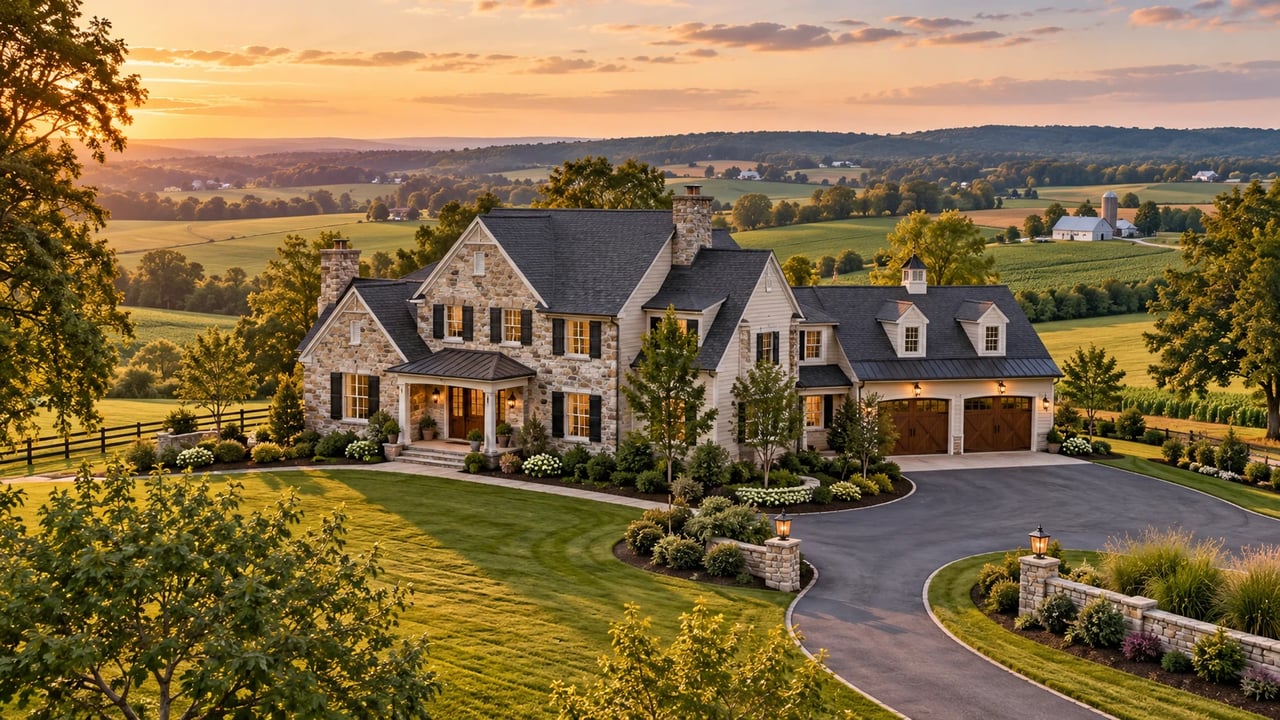
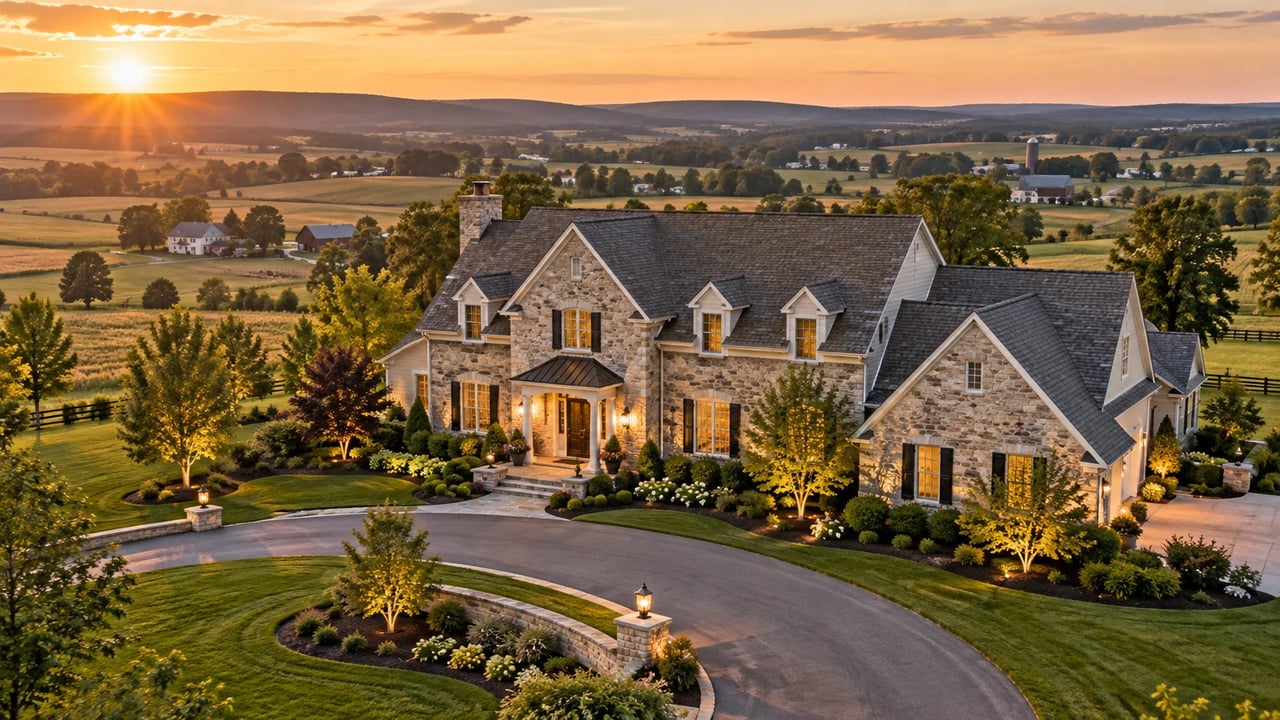
That might include several acres, a long private approach, multiple outbuildings, a pool complex, river frontage, mature tree cover, or a house whose relationship with the surrounding landscape is difficult to understand from ground level.
For a compact city property, drone imagery may add very little.
For an estate, it can explain the entire property in seconds.
Aerial footage can also help buyers understand distances between the main residence, guest buildings, barns, garages, or outdoor spaces.
Commercial drone operations are subject to FAA Part 107 rules, so professional real estate drone work should be handled accordingly.
That legal point is simple. The editorial point is more important: use the drone because the property needs an aerial view, not because every luxury listing is expected to have one.
Luxury Listing Copy Should Tell Buyers What the Photos Can’t
A property description shouldn’t spend its best sentences repeating facts that already appear beside the listing.
Buyers can see that a home has five bedrooms. They already know the square footage.
Useful listing copy explains what the basic data misses.
It might describe how a renovation changed the floor plan, how the kitchen connects to the outdoor space, or why an acreage parcel feels more private than the number of acres suggests.
Custom construction needs the same care.
Saying a home has “premium finishes” tells the buyer almost nothing. Naming the material, craftsmanship, renovation date, or custom feature is far more useful.
Consider a wine cellar.
The fact that it exists may be enough for a listing field. The more interesting information is whether it’s temperature controlled, custom-built, integrated into entertaining space, or part of a larger renovation.
The same principle works with outdoor areas, libraries, home offices, workshops, guest quarters, and specialty rooms.
Strong luxury real estate marketing gives the buyer context without drifting into exaggerated lifestyle language.
Words such as stunning, breathtaking, prestigious, and one-of-a-kind quickly lose their meaning when every property uses them.
Specific details usually do more work.
What Is Included in a Luxury Listing Package?
A luxury listing package is the collection of preparation, media, distribution, and seller-support services used to bring a high-value home to market.
It may include:
a pricing and positioning strategy
staging or preparation guidance
professional real estate photography
detail or twilight photography where useful
drone imagery for acreage or estate properties
video
floor plans
listing copy
online and MLS distribution
social media and email marketing
direct outreach to relevant agents or existing contacts
showing coordination
seller feedback and post-launch reporting
The exact package should change with the property.
A historic Lancaster City residence might need detailed architectural photography and careful renovation history. A private estate could need more aerial coverage, land context, and floor-plan support.
The term “luxury listing package” is most useful when it describes a real plan, not simply a longer list of marketing products.
How Luxury Real Estate Marketing Reaches Buyers After Launch
Once the property is ready, the campaign moves from creation to distribution.
MLS exposure remains important because it places the listing in front of real estate professionals and feeds many of the consumer-facing platforms where buyers search luxury homes for sale.
But distribution doesn’t stop there.
A high-value listing may also be presented through:
the agent’s own website
real estate portals
email outreach
social media
direct communication with other agents
existing buyer relationships
relocation inquiries
professional and client networks
That doesn’t mean every channel carries the same weight. The right mix depends on the likely buyer and the property.
An architectural city home may draw a different audience from a large estate with acreage. A newly built custom property can appeal to someone who wouldn’t consider an older house at the same price.
Josh’s seller program combines listing media with online promotion, social media, and his network of high-end buyers and local professionals.
The strongest campaigns feel coordinated rather than scattered. The photographs, copy, video, listing page, and agent outreach should all be describing the same property in the same way.
Paid Digital Advertising Still Has Fair Housing Rules
Digital advertising can expand exposure, but housing ads can’t be targeted as freely as ordinary consumer advertising.
Digital housing advertising still has to comply with the Fair Housing Act. In its case against Meta, the U.S. Department of Justice alleged that algorithms used to deliver housing ads relied in part on characteristics protected under federal fair housing law.
That doesn’t make digital advertising less useful. It means the campaign has to be built within housing-advertising rules.
For sellers, the practical point is simple: broader digital reach still needs responsible execution.
Privacy Changes the Marketing Plan for Some Luxury Sellers
Maximum exposure isn’t always the only goal.
Some high-value homeowners are comfortable with broad online visibility. Others care deeply about privacy.
Those preferences can affect photography, video, showings, and what appears online.
Personal photographs may need to come down before media day. Artwork, collections, vehicle information, alarm panels, computer screens, or anything revealing personal routines deserve a closer look.
Even the background of a photograph can disclose more than expected.
NAR’s home-selling privacy and safety guidance specifically raises concerns around photographs, personal belongings, access, and security information.
Showing strategy matters too.
Some sellers are comfortable with open houses. Others prefer scheduled private appointments and more control over who enters the property.
Neither approach is automatically better.
A top listing agent should be able to build the marketing around the seller’s comfort level without pretending that discretion and exposure are the same thing.
What Happens After the Luxury Listing Goes Live?
Launch day gets a lot of attention, but it’s only the beginning.
Once buyers start seeing the property, the campaign begins producing information.
Showing activity can reveal whether the home is attracting the expected audience. Buyer questions may expose something the listing failed to explain.
Repeated feedback can show whether a concern is isolated or becoming a pattern.
The key is not reacting to every comment.
One buyer disliking a kitchen finish means very little. Six buyers struggling with the same feature deserves more attention.
This is why luxury real estate marketing shouldn’t be treated as a finished package delivered on launch day.
It’s a campaign that continues to respond to the market.
Sometimes that means improving a description or adding a missing photograph. Sometimes the marketing is doing its job and the issue sits elsewhere.
There doesn’t need to be an automatic response after seven, fourteen, or twenty-one days. The useful response depends on what buyers are actually doing.
Lancaster County Homes Need Different Marketing Stories
Lancaster PA real estate refers to a surprisingly diverse range of homes.
Within a relatively small geographic area, sellers may be dealing with historic city properties, custom suburban homes, farmland, renovated estates, and houses with significant acreage.
That variety makes local context useful.
Someone searching for a realtor in Lancaster, PA, isn’t only looking for a person familiar with county statistics. The property may require knowledge of a very specific type of housing.
Lancaster City Historic Homes
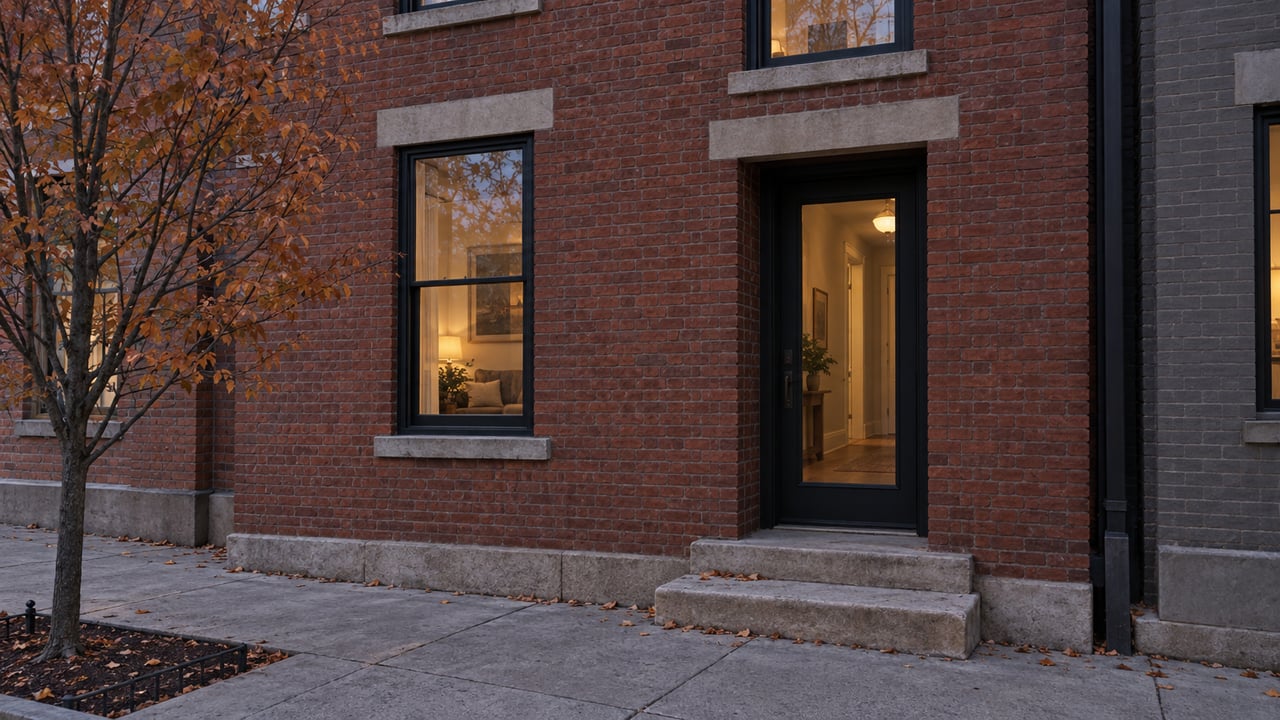
Historic Lancaster homes often photograph beautifully, but architecture needs accuracy.
Original woodwork, masonry, windows, fireplaces, staircases, proportions, and later renovations can all shape a buyer’s response.
The description should distinguish original features from newer work instead of blending everything together under a vague claim of “historic charm.”
Properties within the city’s Historic District may also be affected by HARB review for qualifying exterior alterations. The City of Lancaster explains that HARB oversees exterior changes, demolition, and new construction within the district.
The separate Heritage Conservation District operates differently.That’s relevant to marketing because renovation history becomes part of the property’s story.
Josh’s Lancaster City Historic District listing provides additional local context for homes in that area.
Acreage and Estate Properties
Land needs context.
Five acres can mean open lawn, woodland, agricultural use, difficult slopes, usable pasture, or a mixture of all five.
A flat acreage number doesn’t tell buyers much on its own.
Photography and drone footage can show how the land relates to the house, where outbuildings sit, and how much privacy the setting provides. Descriptions should also distinguish between a decorative barn and one with genuine utility.
The same applies to workshops, detached garages, guest buildings, and pool houses.
For estate properties, the relationship between those pieces is often part of the appeal.
Custom and Heavily Renovated Homes
Custom construction creates a different challenge because buyers may not recognize quality immediately.
Materials, systems, insulation, windows, mechanical work, additions, millwork, and structural changes can be expensive without being visually dramatic.
Josh Wood brings roughly two decades of new-home construction experience alongside more than 19 years working with high-end Lancaster buyers and sellers.
That background can add useful context when a property has been heavily renovated or custom-built.
A granite countertop is obvious. The construction behind the walls isn’t.
Strong marketing gives buyers enough information to understand both.
The Listing Agent’s Job Doesn’t End With Marketing
A listing agent represents the seller, but the work goes beyond getting the home online.
Once the campaign begins, buyer agents have questions. Showings need to be coordinated. Sellers need useful feedback rather than a stream of disconnected comments.
Offers also need more than a glance at the purchase price.
Financing, contingencies, settlement dates, deposits, inspection terms, and other conditions can change the strength of an offer considerably.
Then there’s the period after acceptance.
Inspections, repair discussions, appraisal, documentation, and settlement all need coordination. That’s where the difference between marketing and representation becomes clear.
A top real estate agent should be able to carry the property through both.
Josh’s client testimonials include returning clients who describe working with him across purchases and sales, including long-term relationships extending over several transactions.
Those experiences don’t guarantee a particular result, but they provide useful context about how the relationship works after the listing presentation is over.
What “Top Real Estate Agent” Should Mean for a Luxury Seller
Looking for the best real estate agent, best realtor, or top realtor make the process sound like there should be one winner.
Real estate doesn’t work quite that neatly.
The more useful comparison is whether the agent has handled properties resembling yours and whether the marketing plan makes sense for the home in front of them.
Someone searching for a luxury real estate agent near me is often trying to answer exactly that question locally.
Relevant experience tends to show up in practical places:
properties in a similar price and complexity range
examples of professional media
knowledge of the local market
a clear explanation of who handles the work
seller services that are specific rather than vague
That’s a more grounded way to approach how to choose a real estate agent for a luxury property.
Josh’s Lancaster experience includes more than 19 years with high-end buyers and sellers, hundreds of millions of dollars in luxury and high-end transactions, and roughly two decades of construction experience. His past Lancaster sales include a $2 million property at 121 Eshelman Road, along with several other high-value homes.
The point isn’t that one transaction proves someone is the best real estate agent for every seller.
It gives the seller something real to compare with their own property.
Is a Top Listing Agent Worth a Higher Real Estate Agent Commission?
Sometimes, but not simply because the fee is higher.
A higher real estate agent commission only makes sense when the additional service has a plausible connection to the seller’s goals. Better preparation, stronger media, careful positioning, responsive communication, and skilled negotiation can all have value.
A lower fee doesn’t automatically save money either.
If two proposals differ in cost, the more useful comparison is what each includes and how the property will actually be handled.
For a high-value listing, that can involve staging guidance, professional photography, drone work, video, floor plans, digital marketing, showing management, negotiation, and transaction coordination.
Marketing spend alone isn’t enough.
A beautiful video can’t rescue poor pricing. A detailed pricing analysis can’t replace weak presentation.
The value comes from how the pieces work together.
A Luxury Campaign Should Feel Specific to the Property
A top real estate agent shouldn’t make every expensive home look the same.
A restored Lancaster City residence may need detailed architectural photography and careful renovation history. A private acreage property may need aerial context, strong exterior imagery, and a clearer explanation of its land and outbuildings. A modern custom home may depend more heavily on materials, construction quality, light, layout, and clean visual presentation.
That’s the real standard.
Luxury marketing shouldn’t simply mean more. It should mean more intentional choices about what the property needs, what the buyer needs to understand, and how those two things are brought together.
For owners still working out what that campaign should look like, talk with Josh about marketing the property or call (717) 989-3060.
Frequently Asked Questions About Luxury Listing Marketing
What is a listing agent?
A listing agent represents the seller in a real estate transaction. The role usually includes pricing, preparation, marketing, showings, offer management, negotiation, and coordinating the transaction through closing.
What does a listing agent do?
A listing agent helps prepare and price the home, creates and manages the marketing campaign, coordinates buyer access, handles offers, and represents the seller through negotiations and closing. For a complex or high-value property, that work can also involve specialized media and more detailed property documentation.
How do luxury agents find buyers for $1M+ homes?
Luxury buyers can come through several channels, including MLS exposure, property websites, consumer portals, agent networks, existing relationships, social media, and relocation inquiries. No single channel guarantees the buyer. The aim is to make the property visible wherever qualified interest is most likely to develop.
What is included in a luxury listing package?
A luxury listing package may include pricing strategy, preparation guidance, staging, professional photography, drone imagery, video, floor plans, listing copy, digital promotion, agent outreach, showing coordination, and seller reporting. The exact mix should depend on the home rather than its price alone.
Does every luxury home need drone photography?
No. Drone imagery is most valuable when buyers need aerial context for acreage, views, privacy, multiple buildings, a long approach, or significant outdoor spaces. A compact property may gain very little from it.
Who pays for luxury listing photography and marketing?
That depends on the listing agreement and the services offered by the brokerage or agent. Josh’s seller services include staging, professional photography, drone imagery, video, floor plans, social media, website exposure, and network marketing.
Should I stage a luxury home or sell it vacant?
It depends on the property. Staging can help buyers understand scale and room use, especially in large or empty spaces. A well-designed or architecturally distinctive home may need much less intervention.
Do luxury homes take longer to sell?
Not always. Market time depends on the property, location, pricing, condition, competition, buyer pool, and timing. There isn’t one reliable timeline that applies to every million-dollar Lancaster home.
Can a listing agent represent the buyer in Pennsylvania?
Yes, Pennsylvania permits dual agency when both parties provide written consent. The arrangement changes the agent’s duties because the same licensee is involved with both sides of the transaction.