Thinking about selling your East Petersburg home but not sure which upgrades will actually move the needle? You are not alone. In a borough with mostly modest single-family homes and smaller lots, choosing the right projects can deliver a cleaner, faster sale without overspending. This guide focuses on practical, local updates that buyers value in East Petersburg, plus how to plan permits, timelines, and staging so you list with confidence. Let’s dive in.
What buyers value in East Petersburg
Many East Petersburg homes were built mid‑century or earlier, so buyers often look for solid function and modern convenience more than big additions. They want spaces that feel move‑in ready, reliable systems for cold winters and wet springs, and outdoor areas that are easy to maintain.
- Move‑in readiness: updated kitchens and baths, fresh paint, and newer flooring.
- Systems confidence: well‑maintained HVAC, roof, insulation, gutters, and sump pump if present.
- Functional layout: practical storage, convenient laundry, and off‑street parking or a garage.
- Outdoor usability: small patios or decks, tidy landscaping, and simple curb appeal.
When in doubt, confirm with recent comparable sales inside the borough lines to see what finishes and scopes command higher prices and shorter days on market.
High‑impact renovations that sell
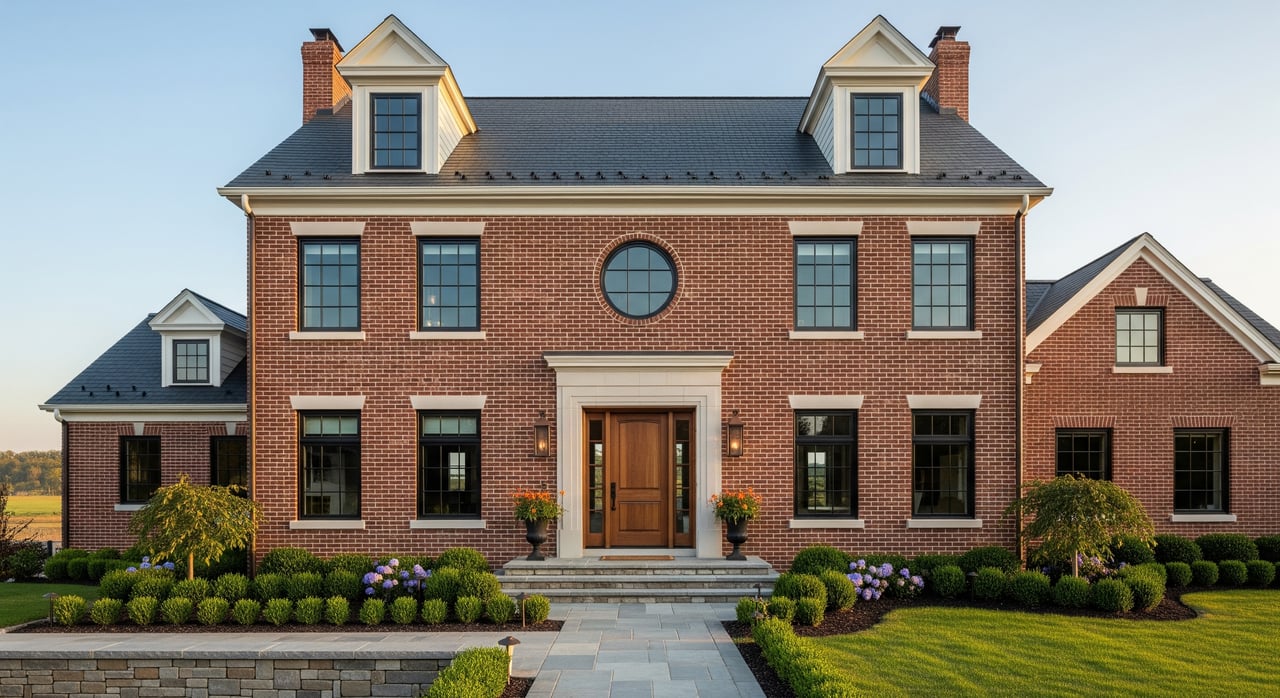
Curb appeal and exterior
First impressions set the tone for showings and perceived value. Focus on simple refreshes that show care.
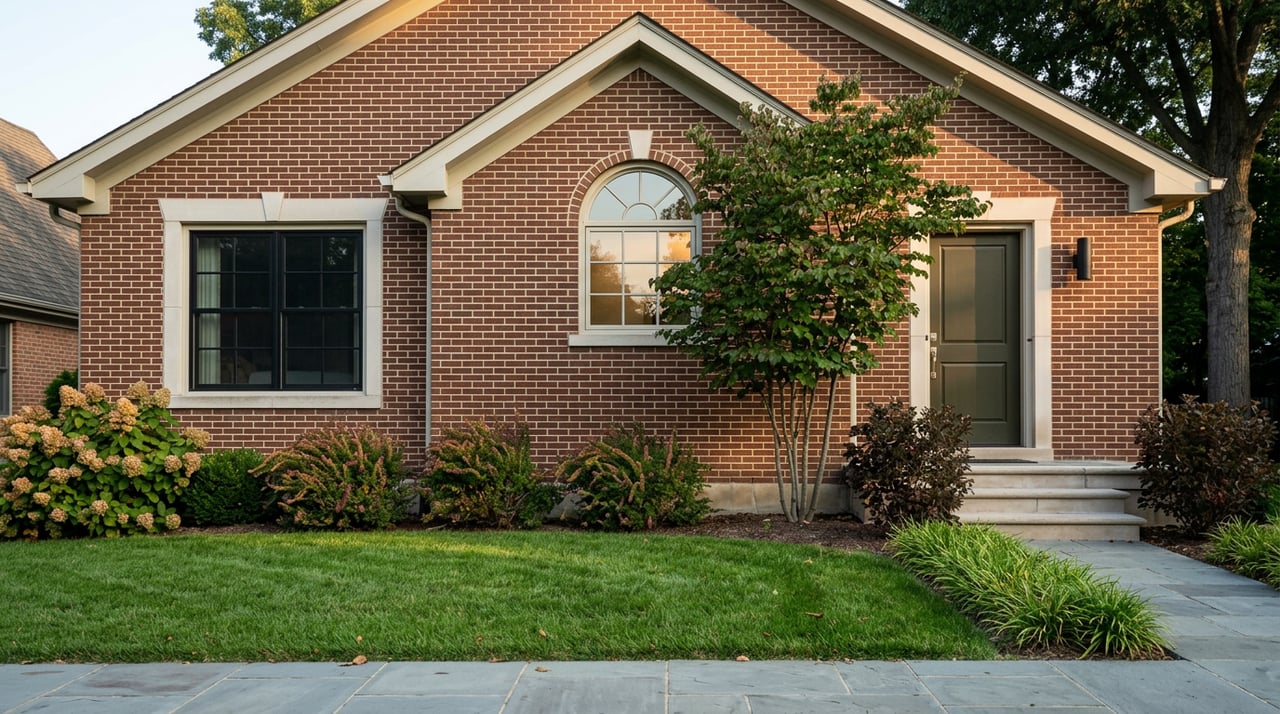
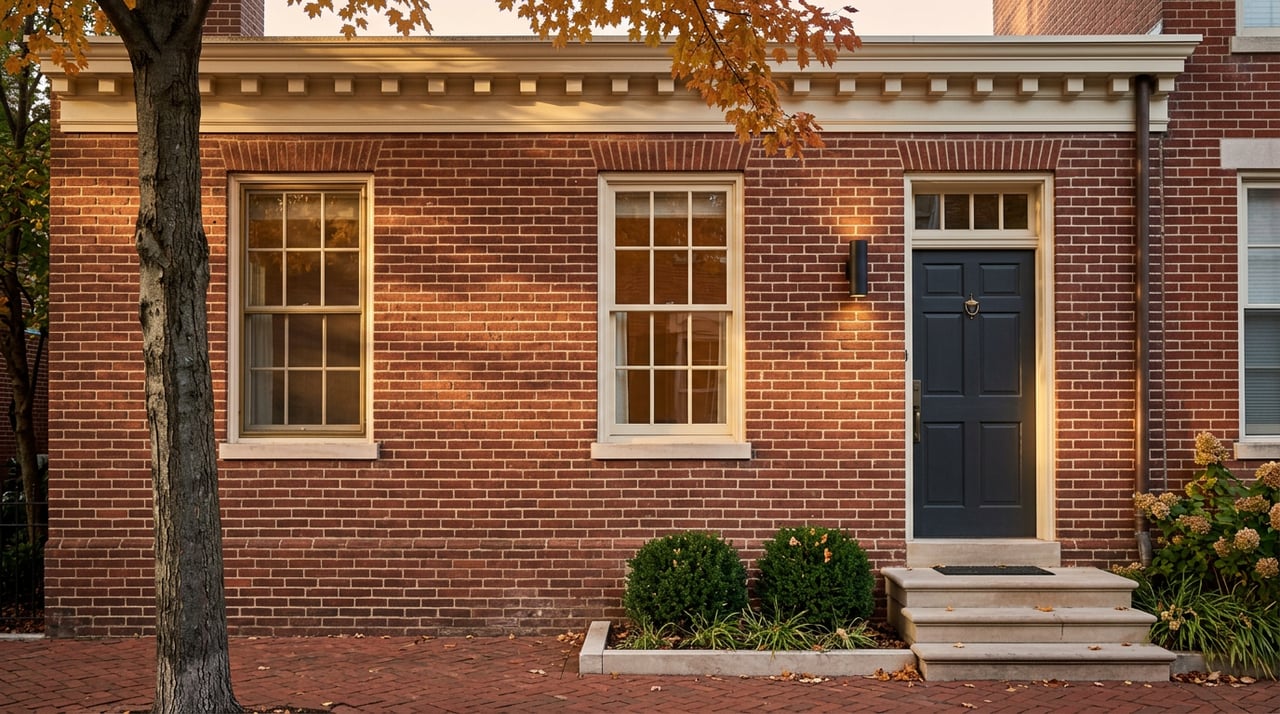
- What to do: power wash, repaint or replace the front door, tidy and define planting beds, update exterior lighting and house numbers, and reseal or repair walkways and driveways.
- Why it works here: small lots and walkable streets put your exterior on display, so a clean, bright entry reads as well‑kept.
- What to avoid: over‑landscaping that eats up usable yard, or high‑maintenance plantings.
Kitchen updates
Kitchens carry outsized weight with buyers, even in modest homes. Aim for a bright, functional look.
- What to do: repaint or reface cabinets, add new hardware, install a midrange solid‑surface or quartz counter, swap in a modern sink and faucet, refresh lighting, and add a simple backsplash.
- Local tip: keep finishes neutral to make smaller ranch or Cape kitchens feel larger. Add storage solutions like pull‑outs or lazy Susans to maximize space.
- What to avoid: ultra high‑end appliance packages or luxury finishes that exceed neighborhood norms. Consider layout changes only if structurally practical and supported by comps.
Bathroom upgrades
Clean, well‑ventilated bathrooms reassure buyers and reduce objections.
- What to do: replace a dated vanity, fixtures, lighting, and toilet, regrout or retile where needed, and upgrade ventilation. For a primary bath, consider modest reconfiguration, ceramic tile, and a glass shower door if replacing a tub‑shower.
- Local tip: choose durable, low‑maintenance materials in timeless tones.
- What to avoid: overly personalized tile patterns or poor waterproofing in shower areas.
Interior paint, flooring, and lighting
These upgrades are budget‑friendly and instantly visible in photos and in person.
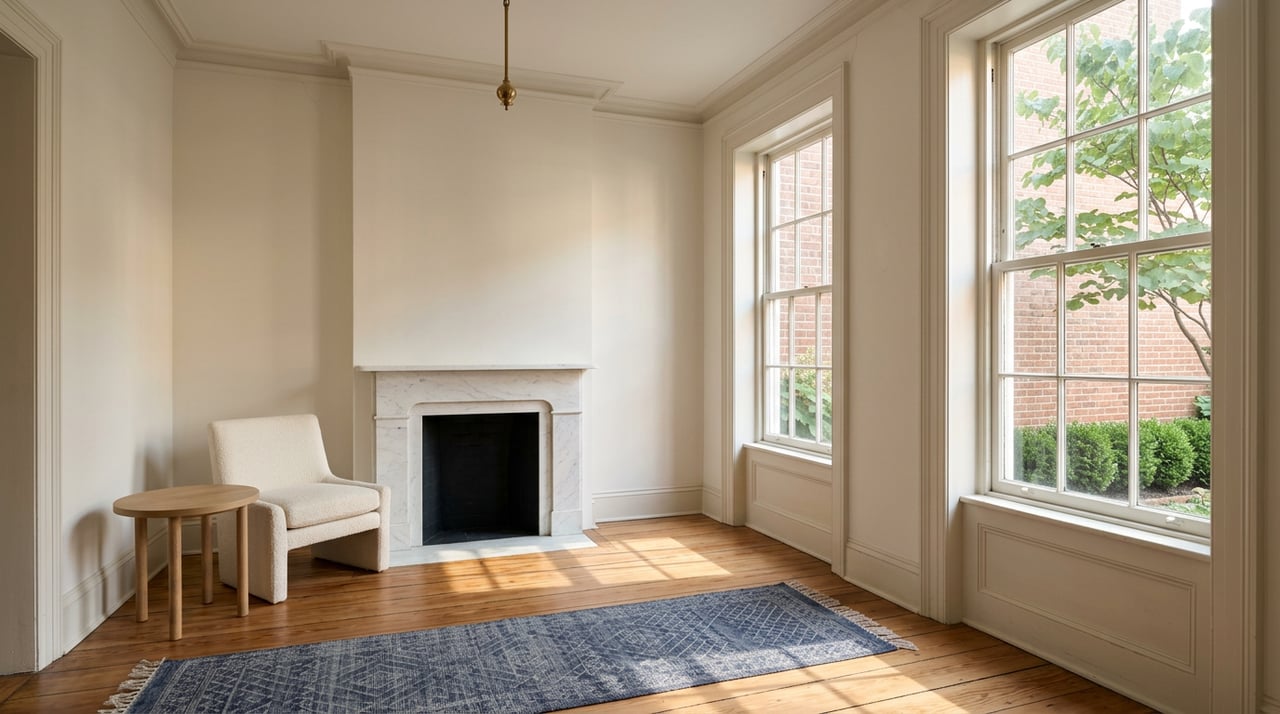
- What to do: apply fresh neutral paint throughout, especially living areas and kitchen. Refinish existing hardwood where present. Replace worn carpet with wood‑look vinyl or engineered hardwood in focal rooms. Update light fixtures and ensure all switches and outlets are clean and functional.
- Local tip: prioritize contiguous spaces that buyers see first, such as the entry, living room, and kitchen.
Systems and energy efficiency
Buyers pay close attention to mechanicals and operating costs, especially given local weather patterns.
- What to do: service or replace aging HVAC, improve attic and rim‑joist insulation, upgrade the water heater if needed, and address roof age or condition. Repair or replace problematic windows selectively rather than all at once, and ensure gutters and sump pump are reliable.
- Proof helps: provide service records, warranties, and recent receipts to build confidence.
Basement, attic, and added living space
Extra square footage can help, but take a cautious, code‑aware approach.
- What to do: finish a dry, code‑compliant basement as a rec room, office, or guest area if it makes sense. Consider attic conversions only when ceiling height, egress, HVAC, and access meet standards.
- Watchouts: moisture control, permits, and egress are critical. On smaller lots, set realistic expectations for additions due to zoning, setbacks, and coverage limits.
Outdoor living and compact yards
Usable outdoor space is a win with East Petersburg’s smaller lots.
- What to do: add a small deck or patio with level access, a simple seating area, modest privacy fencing, and low‑maintenance plantings. A shed or well‑organized garage can be a bonus.
- Local tip: highlight function over size. A clean, usable patio often beats an elaborate landscape that eats lawn space.
Accessibility and storage
Convenience features can quietly differentiate your home in the market.
- What to do: add closet systems, a simple mudroom zone near the rear or garage entry, and a practical laundry layout with stacking units if the footprint allows.
- Who it helps: families, downsizers, and anyone who values everyday efficiency.
Right‑size your scope and budget
Resale projects work best when they match neighborhood price points. Use a tiered approach:
- Touch‑up: paint, hardware, lighting swaps, minor landscaping, grout and caulk. Many homes need only this tier to feel fresh and marketable.
- Midrange refresh: cabinet refacing or repainting, midrange counters, new vanities, selective flooring replacement, and HVAC servicing. This tier often balances cost with buyer appeal in East Petersburg.
- Full remodel: gut kitchens or baths, additions, and full basement finishes. Consider only if nearby comps show buyers will pay for the upgrade at your target price.
Always compare estimated costs to expected sale price using recent comps inside the borough lines. Some projects improve marketability more than they lift appraised value, so lean into the updates buyers notice first.
Permits and code in East Petersburg
Plan permits early to avoid delays and ensure your upgrades are marketable and compliant.
- Likely permit items: structural changes, additions, decks, major electrical, plumbing or HVAC, and finished basements. Confirm requirements, inspections, and fees with the East Petersburg Borough building or zoning office.
- Historic character: if your home has original woodwork or architectural details, preserve them where possible. Favor reversible, sympathetic updates over removing original elements.
Plan your timeline
Finishing on time ensures your photos and showings reflect your best work.
- Quick projects, about 1 to 3 weeks: painting, light fixtures, hardware, minor landscaping, and staging prep.
- Moderate projects, about 3 to 8 weeks: cabinet refacing, bath refreshes, flooring updates, and HVAC servicing.
- Major projects, 2 months or more: full kitchen or bath remodels, decks and porches, additions, and basement finishes. Factor in permits and potential weather delays.
Build a buffer for scheduling, materials, and inspections. Aim to complete work well before photos so the home is clean, staged, and daylight‑ready.
Pre‑listing inspection and documentation
A proactive approach can prevent renegotiations later.
- Consider a pre‑listing home inspection to surface issues that buyers might use to negotiate, such as roof condition, HVAC, moisture, or electrical concerns.
- Keep maintenance records and warranties organized for buyers, including furnace service, roof replacement receipts, and any permits for completed work.
Staging and sale‑readiness checklist
Use this quick, practical list to present a polished home on day one.
- Exterior: clean landscaping, repaired walkways, visible house numbers, and a freshly painted or replaced front door.
- Interior: fresh neutral paint, decluttered rooms, working lights, and a clean scent profile.
- Kitchen and baths: tight hardware and hinges, smooth‑operating drawers, clean grout and caulk, and modern but simple fixtures.
- Systems: serviced furnace and water heater, dry basement, and a functional sump pump if present.
- Documentation: permits, contractor invoices, and manuals or warranties ready for buyers to review.
How to avoid over‑improving
Stay aligned with neighborhood expectations. Review recent sales of similar homes on the same or nearby streets. Target the midrange refresh tier first, and only escalate to full remodels if local comps clearly support the investment. Neutral finishes, durable materials, and simple layouts tend to attract the widest buyer pool.
Work with a data‑driven plan
Before you swing a hammer, confirm three items: local comps, borough permit needs, and your target listing date. This plan keeps your budget focused on what East Petersburg buyers value most and ensures you hit the market on schedule.
If you want seasoned guidance on which updates will create the strongest market response, premium photography and video to showcase your results, and a pricing strategy built on local data, connect with Josh Wood. Schedule a Private Consultation and move forward with clarity.
FAQs
What renovations bring the best resale in East Petersburg?
- Focus on curb appeal, midrange kitchen and bath refreshes, fresh paint and flooring, and well‑maintained mechanicals, then confirm with recent borough comps.
Should I gut‑remodel my kitchen before selling in East Petersburg?
- Usually no, unless nearby comps consistently support higher prices for full remodels. A bright, neutral midrange refresh is often the best value.
Do I need a permit for a new deck or finished basement in East Petersburg?
- Most likely yes. Structural work, decks, major trades, and basement finishes typically require permits and inspections from the borough.
How much should I invest in landscaping for resale here?
- Prioritize low‑maintenance curb appeal and a usable patio or deck. Avoid complex plantings that reduce yard space or require intensive upkeep.
Which inspections help me sell faster in East Petersburg?
- A pre‑listing home inspection, plus recent HVAC and roof service records, can reduce buyer objections and support a smoother transaction.
How do I avoid over‑improving for my street?
- Review recent sales of similar homes within the borough lines and match your finishes to those results, favoring neutral, durable choices.
What systems upgrades matter most to local buyers?
- Reliable HVAC, roof condition, proper insulation and air sealing, and effective gutters or sump pump performance are top priorities.
How should I time projects before listing?
- Plan quick updates first, schedule moderate projects 3 to 8 weeks out, reserve 2 months or more for major work, and finish before listing photos.