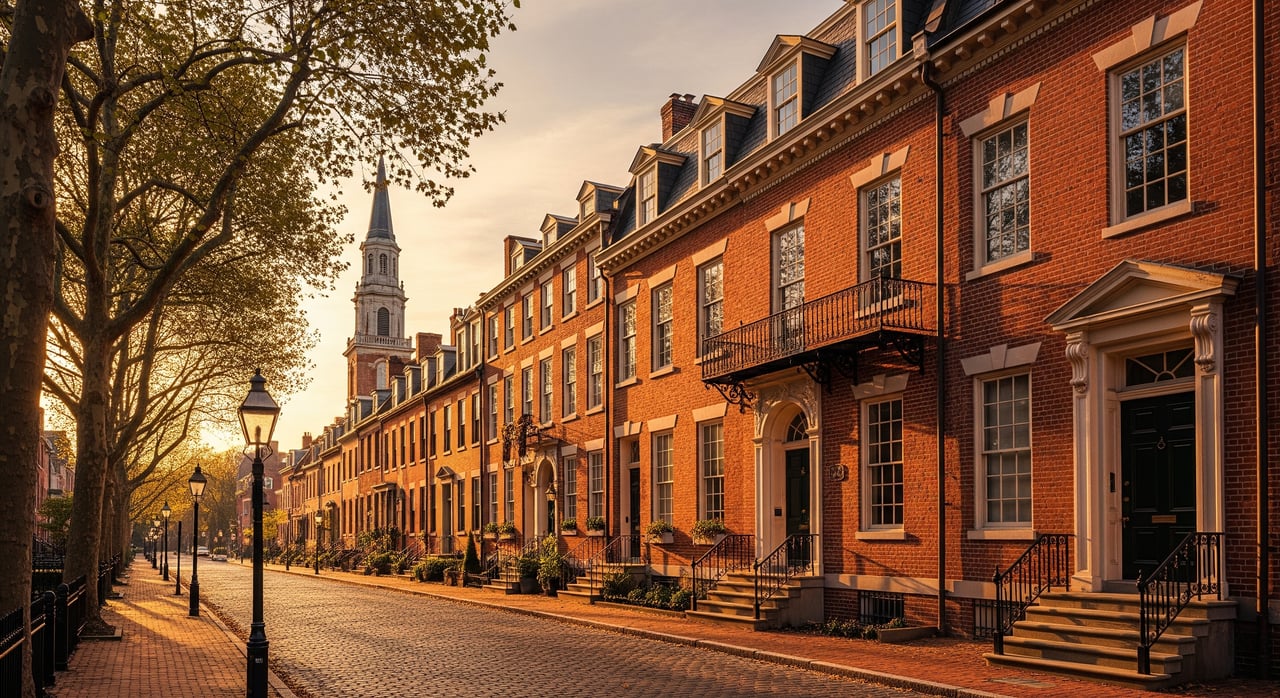
What if you could walk a few blocks in Lancaster City’s Historic District and confidently name the style of almost every façade you pass? If you are drawn to brick stoops, tall windows, and distinctive rooflines, you are not alone. Understanding the architecture helps you spot value, plan renovations, and anticipate maintenance. This guide gives you clear visual cues, typical floor plans, and practical living tips for the district’s most common styles. Let’s dive in.
What defines the Historic District
Lancaster City’s Historic District spans much of downtown and nearby residential streets with buildings from the late 18th through early 20th centuries. You see commercial storefronts, brick rowhouses, and freestanding townhouses woven into a compact, walkable grid.
Brick is the dominant exterior for 19th-century homes, with wood-frame houses appearing in earlier or vernacular examples. Roofing historically includes slate and wood shingles, and many details are wood or cast iron. Lots are often narrow near the core, which yields attached rowhouses, modest stoops, and small rear yards or ells.
Earlier Georgian and Federal buildings tend to cluster around older civic and commercial areas. As the city grew in the mid to late 1800s, Greek Revival, Italianate, Second Empire, and other Victorian-era styles filled residential expansions. Early 20th-century revivals and modest Craftsman-influenced forms appear on later blocks. Distribution varies street by street, so it helps to study the specific address you are considering.
Spotting styles on a block walk
Georgian (late 18th to early 19th century)
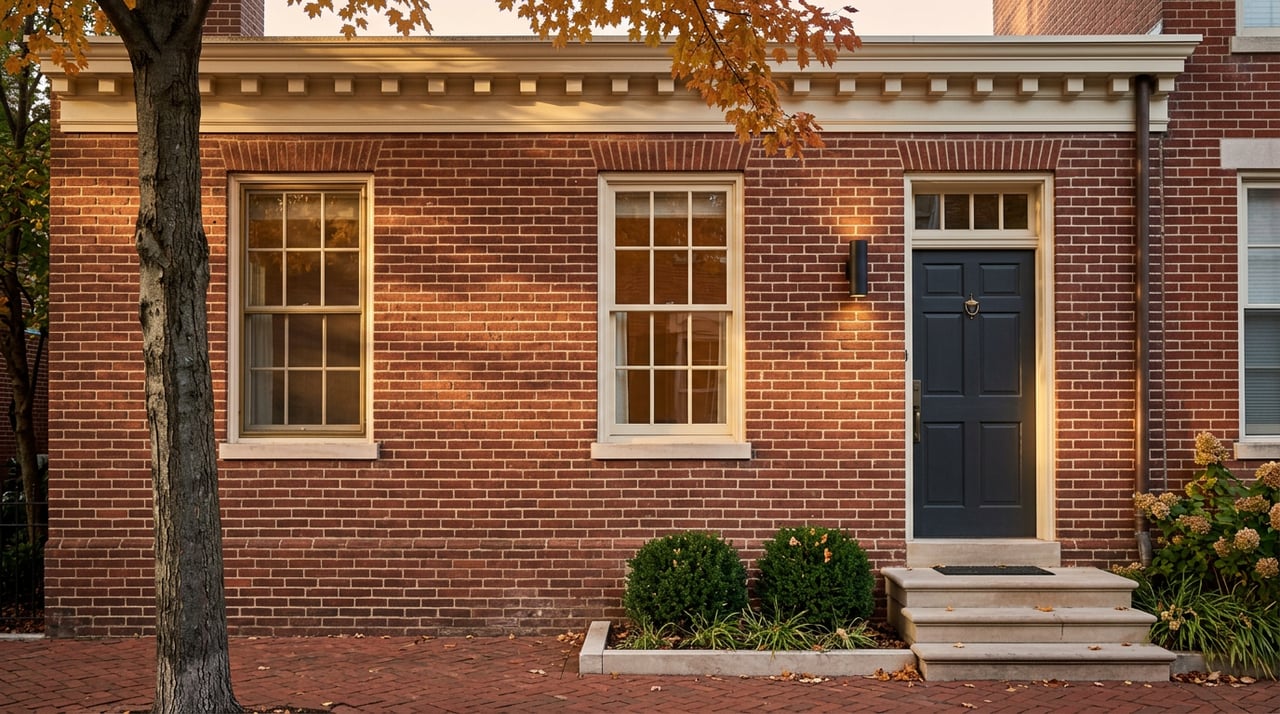
- Visual cues: Symmetrical, rectangular façades with a centered paneled door, a simple transom, and evenly spaced multi-pane windows. Ornament is minimal. Roofs are gable or hipped.
- Floor plan feel: Straightforward rooms, often a center-hall or simple side-hall layout. Smaller window openings and heavier walls are common.
- Living notes: Original windows may need careful preservation. Insulation upgrades require thoughtful planning to protect historic materials.
Federal (about 1780 to 1830)
- Visual cues: More refined and narrow than Georgian. Look for fanlights or elliptical transoms over the door, sidelights, and light classical motifs.
- Floor plan feel: Center-hall or side-hall plans with relatively high ceilings in larger townhouses.
- Living notes: Original plaster, wood trim, and thin single-pane sash are often present and sensitive to change. Plan for restoration-minded work.
Greek Revival (about 1825 to 1860)
- Visual cues: Strong classical presence with heavy cornices, pilasters or columns on grander examples, pedimented gables, and larger rectangular windows.
- Floor plan feel: Urban townhouses with simple, dignified rooms and a clear front-to-back progression.
- Living notes: Door surrounds and cornices highlight the façade and may need routine painting and careful repair.
Italianate (about 1840 to 1885)
- Visual cues: One of the most common around Lancaster’s 19th-century blocks. Tall narrow windows, arched or segmental heads, prominent hoods, bracketed cornices, and low-pitched or flat roofs. Bay windows appear on some.
- Floor plan feel: Side-hall or center-hall plans with high ceilings and tall windows that bring in generous light.
- Living notes: Decorative wood or metal brackets and hoods require periodic painting and maintenance to prevent deterioration.
Second Empire (about 1860 to 1880)
- Visual cues: The unmistakable mansard roof with dormers, plus ornate cornices and details often shared with Italianate.
- Floor plan feel: Added usable space under the mansard creates practical upper floors.
- Living notes: Roofing complexity can raise costs. Slate on mansards is durable but requires skilled repair.
Queen Anne and late Victorian styles (about 1880 to 1910)
- Visual cues: Asymmetry, bay windows, textured wall surfaces, decorative shingles, spindlework, and multiple gables. On urban lots, ornamented rowhouses mix variety into the streetscape.
- Floor plan feel: Varied room shapes and bay alcoves add character. Porches appear where lot width allows.
- Living notes: Details are a draw for buyers. Expect ongoing care of wood elements and painted finishes.
Colonial Revival and early 20th-century revivals (about 1890 to 1940)
- Visual cues: A return to symmetry with classical entry surrounds and multi-pane windows. Brick façades often nod to earlier Georgian or Federal forms.
- Floor plan feel: Logical, comfortable layouts with a balance of formal and casual rooms.
- Living notes: Good candidates for sensitive updates that respect the original proportions.
Vernacular rowhouse and townhouse types (throughout the 19th century)
- Visual cues: Continuous rows of attached brick houses, raised first-floor stoops, narrow lot widths, and rear ells or small yards.
- Floor plan feel: A classic urban rhythm, usually a front parlor, a middle dining room, and a rear kitchen, with bedrooms stacked above.
- Living notes: Efficient use of space, walkable location, and manageable yards. You trade width for vertical living and neighborhood convenience.
Floor plans and everyday living
The rowhouse rhythm
Many Lancaster rowhouses share a familiar plan: front parlor facing the street, a dining or second parlor in the middle, and a kitchen at the back, sometimes in a rear ell. Upstairs, bedrooms cluster along a stair that can be centered or set to one side. Basements or cellars commonly hold utilities and storage.
Light, ceiling height, and storage
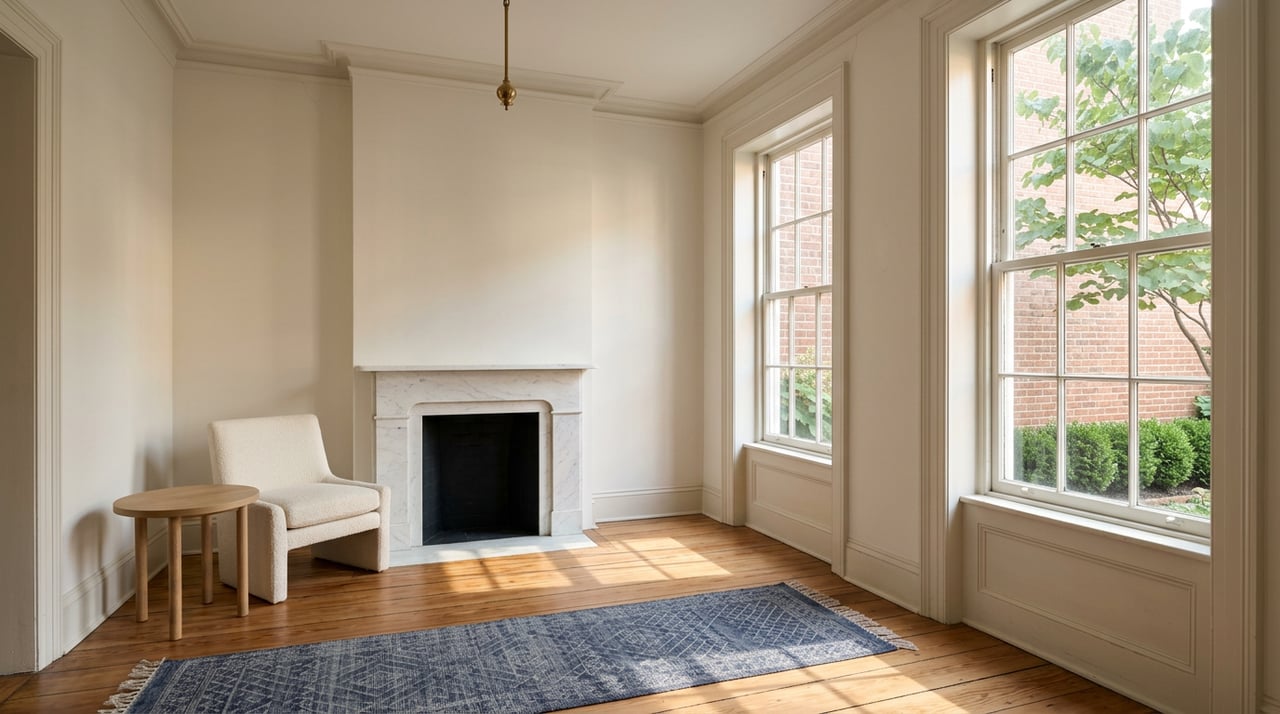
First-floor ceilings are often higher, which brings volume and light that feels impressive for the size of the footprint. Upper floors may be a bit lower in height. Street-facing rooms catch the best light, while middle rooms can feel dim without a light well or upgraded lighting. Original closets are limited, so plan for wardrobes, built-ins, or creative use of attics and basements.
Parking and outdoor space
Off-street parking is limited in many blocks. Expect to rely on street parking or small rear yards and alleys for potential parking solutions. Rear yards offer opportunities for modest gardens, patios, or container plantings.
Adapting for modern life
Historic plans adapt well to open kitchens and improved baths. Opening walls or reconfiguring stairs usually involves structural work and permits. If your changes affect the exterior or visible features, expect local preservation review. Mechanical upgrades like HVAC, electrical, and plumbing can be routed creatively through basements, attics, and wall cavities if planned by experienced professionals.
Maintenance and preservation must-knows
Masonry and mortar
Older brick typically used lime-based mortar that flexes and breathes. Repointing with modern hard Portland cement can damage historic brick over time. A mason familiar with lime mortar is a smart investment for long-term health.
Wood trim, windows, and roofing
Original wood sash windows and glass often survive. Restoration keeps character and can improve function with weatherstripping and storms. Slate roofs last for decades but call for specialized repair. Painted wood details, cornices, and porches need routine inspection and maintenance.
Moisture and foundations
Historic foundations can be stone or early brick. Basements sometimes run damp, so plan for drainage or dehumidification. Water management at the roof, gutters, and grading is key to preserving masonry and framing.
Lead paint and historic materials
Homes built before 1978 may contain lead-based paint. If you plan to renovate, work with certified professionals and follow safe practices. Testing and proper containment reduce risk and protect finishes you want to keep.
Rules, approvals, and incentives
What is reviewed in the district
The City of Lancaster uses a local preservation review process for exterior changes visible from the street within the historic district. Expect review for major alterations like windows, doors, porches, and additions. Repair in kind is often encouraged to maintain character.
Verifying designations
Before you buy, confirm if the property is a contributing building within the district, has any easements, or is individually listed. Review local preservation maps, inventories, and title records to understand restrictions or obligations.
Incentives to know
A federal 20 percent income tax credit is available for certified rehabilitation of income-producing historic buildings that meet the Secretary of the Interior’s Standards. This applies to commercial, rental, or mixed-use properties, not owner-occupied primary residences. Local and state incentives can change over time, so check with the Pennsylvania Historical and Museum Commission and the City of Lancaster for current programs.
Professionals who can help
- Historic preservation architect or architect experienced with rehabilitation
- Structural engineer familiar with historic construction
- Masonry conservator or contractor versed in lime mortars
- City preservation staff for regulatory questions
- Certified lead and asbestos remediation specialists when needed
A smart buyer’s walk-through checklist
Use this quick reference on your next tour:
- Roof and cornice: Note mansard forms, brackets, cornices, and slate condition.
- Masonry: Check mortar condition and brick spalling. Ask about prior repointing.
- Windows and doors: Identify original sash, transoms, fanlights, and hoods. Test operation.
- Layout: Trace the front parlor to rear kitchen sequence. Consider how you would open or connect spaces.
- Light and ceilings: Observe which rooms receive natural light. Measure ceiling heights and note any dropped ceilings.
- Mechanical systems: Ask about age and routing of HVAC, wiring, and plumbing.
- Moisture: Look for dampness in basements, signs of water at foundations, and gutter performance.
- Storage and parking: Plan for wardrobes or built-ins and understand your parking options.
Why this knowledge matters when you buy or sell
When you understand style cues, you can better gauge age, quality, and likely maintenance. You also see where thoughtful updates add value without compromising character. That is powerful whether you are buying a distinctive rowhouse or preparing a historic listing for the market.
If you want a guided tour of styles, a clear plan for upgrades, or a marketing strategy that showcases historic features with photos, video, and floor plans, connect with Josh Wood. You get boutique attention backed by deep local knowledge and polished presentation.
FAQs
How do I identify a Lancaster home’s style and age?
- Start with roof shape, window proportions, door surrounds, and cornice details. Compare to common styles like Federal, Greek Revival, Italianate, Second Empire, and Queen Anne. For precise dating, consult city inventories, deeds, or local historical society records.
Can I renovate a historic Lancaster rowhouse for open-plan living?
- Often yes. Interior changes that alter structure or affect the exterior need permits and may be reviewed in the district. A structural assessment helps plan safe, compatible work.
Are there rules for replacing windows or porches in the Historic District?
- Yes for exterior-visible changes. The city’s preservation review typically covers major exterior alterations. Repair and in-kind replacement are usually encouraged to retain character.
What hidden costs should I expect with historic homes?
- Masonry and roofing repairs, window restoration or replacement, system upgrades for electrical, plumbing, and HVAC, plus potential lead or asbestos mitigation. Specialized trades protect value but can cost more.
Are historic homes in Lancaster energy inefficient?
- Older houses may have single-pane windows and less insulation, but you can improve comfort with attic insulation, storm windows, and discreet HVAC upgrades. Plan improvements to balance efficiency and preservation.
Who can help me navigate rules and incentives?
- Contact the City of Lancaster preservation staff, the Pennsylvania Historical and Museum Commission for state guidance, and the National Park Service for federal tax credit information for income-producing properties. Engage experienced architects, engineers, and contractors for project planning.