A listing consultation can sound impressive without telling you much about what will actually happen once your home hits the market. That’s especially true at the upper end, where polished presentations can hide weak pricing logic, generic marketing, or a surprisingly hands-off process.
The questions to ask a realtor when selling should get past the presentation and into the work itself.
For a high-value Lancaster County home, you want to know how the price was built, what needs to happen before photography, how the property will be presented, and who’ll stay involved once buyers start showing interest.
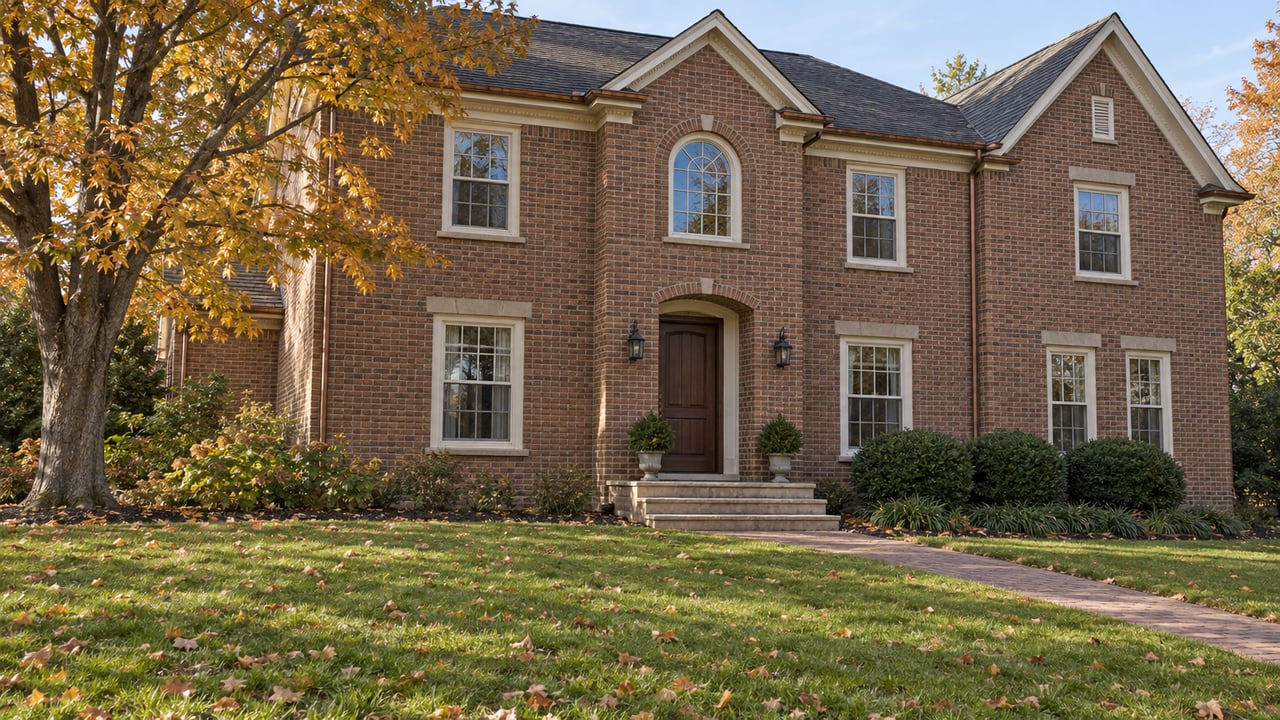
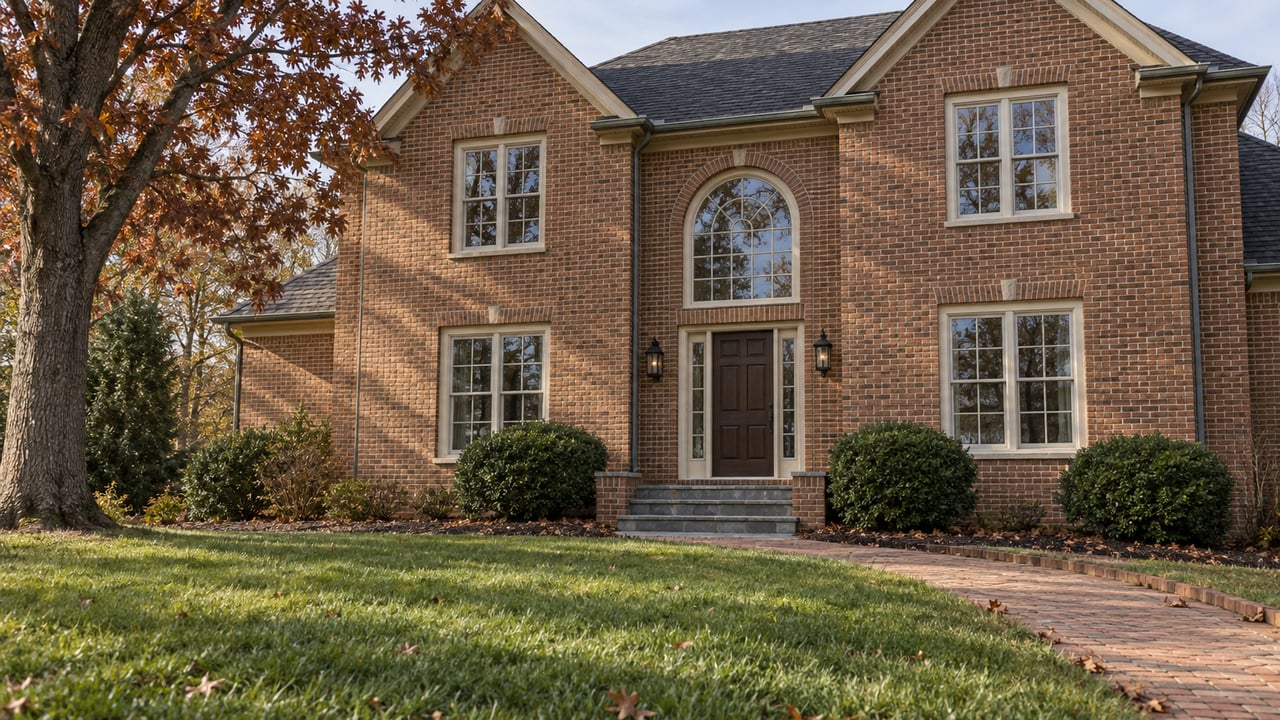
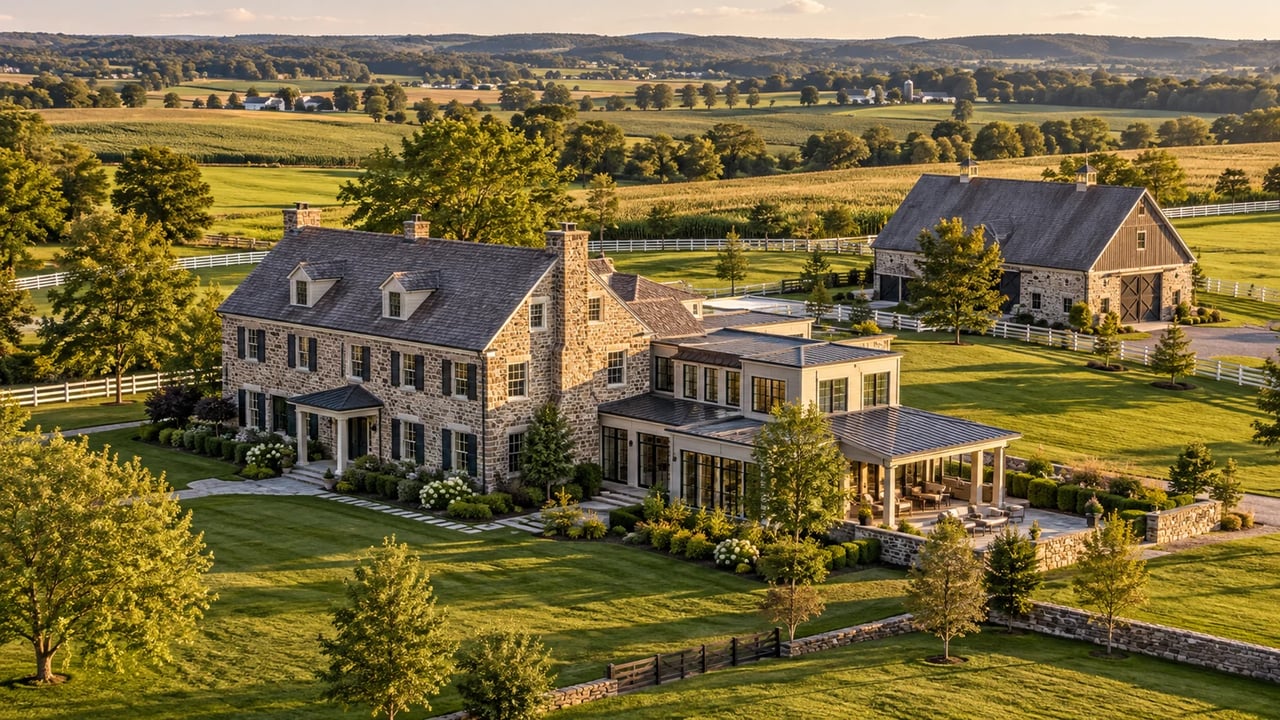
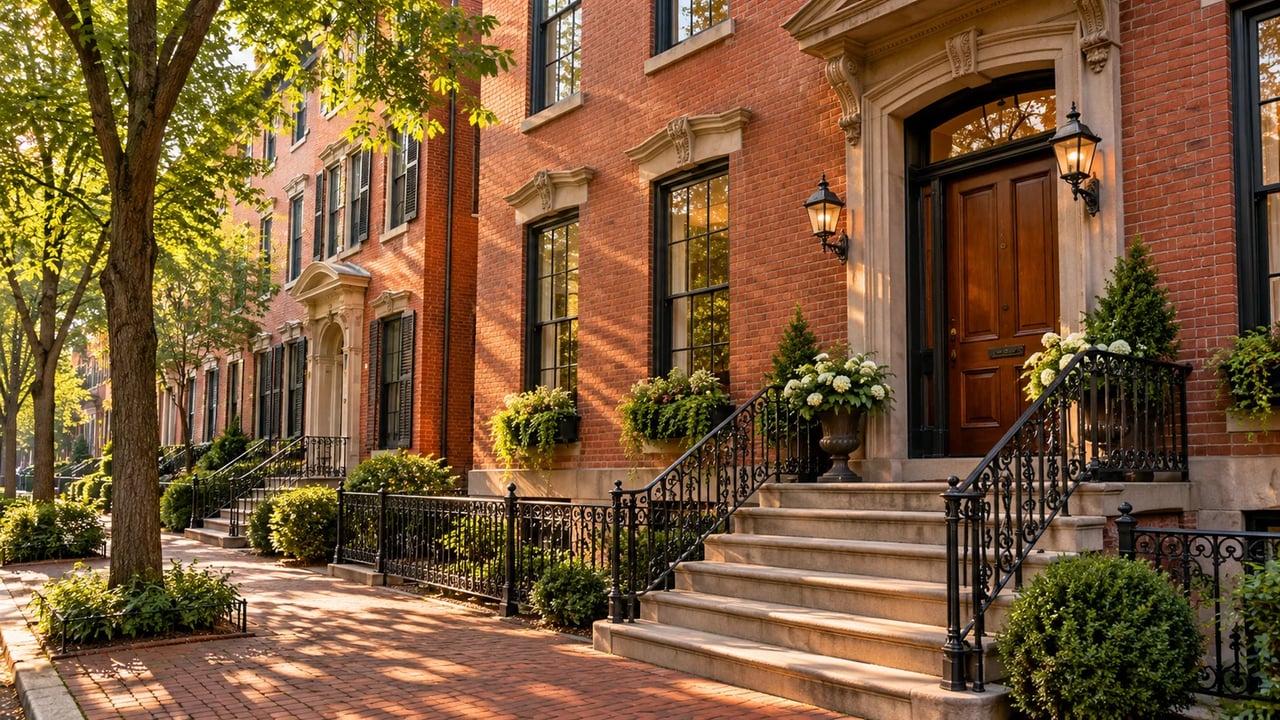
That conversation changes with the property. A restored Lancaster City residence, a custom Manheim Township home, and a private acreage estate may all fall into the luxury market, but they won’t sell for the same reasons.
Josh Wood has spent more than 19 years working with high-end Lancaster buyers and sellers, with hundreds of millions of dollars in luxury and high-end transactions and roughly two decades of new-home construction experience. His Lancaster sales include 121 Eshelman Road, a Neffsville estate that sold for $2 million.
That kind of experience becomes specifically relevant when a home doesn’t fit neatly into a spreadsheet.
The Most Useful Questions to Ask a Realtor When Selling
There are endless lists of questions to ask a realtor when selling, but most homeowners don’t need twenty or thirty of them.
They need a handful of good ones.
Which recent Lancaster sales are most comparable to this property?
How did you arrive at the recommended list price?
What should be completed before photography and launch?
Which marketing services make sense for this specific home?
Who will handle showings, feedback, offers, and negotiations?
How will communication work once the listing is active?
What services and compensation are included in the listing agreement?
What happens if the original strategy isn’t working?
These are practical questions to ask a potential realtor when selling your home because they move the conversation away from broad promises and toward the actual sale.
If you’re wondering how to interview a realtor when selling your home, it shouldn’t feel like an interrogation. The most useful meeting feels more like a working session about your property, your timing, and the decisions that need to be made before launch.
Questions to Ask Realtor When Selling: Start With the House
Among the most important questions to ask realtor when selling, the first should be about comparable experience.
Not just price range. The type of property matters too.
A 5,000-square-foot house on several acres is different from a similarly sized home in a dense neighborhood. A historic residence with original masonry and decades of renovation history creates a different sale from a newer custom build.
That’s why the conversation should begin with the house itself.
Pricing Should Start With Comparable Properties, Not a Number
Pricing a luxury home isn’t about finding three nearby sales and averaging them together.
Recent closed sales still matter because they show what buyers have already paid. Active listings matter because they show what those same buyers can choose today.
Pending sales can hint at where demand is moving. Expired or withdrawn listings can be just as revealing because they show where price or positioning failed to produce a sale.
Then the real work begins.
The agent has to account for the differences between those properties and yours.
One of the most useful questions to ask a realtor when selling is simple: How did you arrive at this price?
A thoughtful answer should sound like a discussion of actual properties, not an automated estimate dressed up as expertise.
Josh’s home valuation process can provide a starting point, but acreage, major renovations, unusual architecture, and custom features often need a closer look before a realistic list range can be set.
Questions to Ask Real Estate Agent When Selling About Price
The best questions to ask real estate agent when selling a high-value home tend to be specific.
Which sales were the closest match? Where does the property differ? What are buyers comparing it against right now?
A seller doesn’t need false precision. A well-supported range is more useful than a confident number that can’t be explained.
Why 121 Eshelman Road Proves Math Isn’t Everything in Luxury Pricing
121 Eshelman Road sold for $2 million, with 4,925 square feet on 3.5 acres in Neffsville.
The home also had extensive renovation work and significant outdoor amenities.
Compare that with other Lancaster properties Josh has sold. One 5,505-square-foot property sold for $875,000, while another with 5,207 square feet sold for $754,500.
The larger homes didn’t automatically command the higher prices.
Land, setting, renovation quality, privacy, architecture, condition, and location all influence value once a property reaches the upper end of the market.
You can feel the difference when you walk through these homes. A spreadsheet can’t capture all of it.
What a Luxury Home Marketing Plan Should Cover
A luxury home marketing plan doesn’t need to be elaborate for the sake of looking impressive.
Its job is to help serious buyers understand what makes the property worth seeing.
Josh’s seller services include professional staging, high-end photography, drone imagery, video tours, floor plans, social media promotion, online exposure, and direct network marketing.
Those tools aren’t equally suitable for every property.
Aerial photography can be valuable when acreage or setting is central to the appeal. Floor plans help buyers understand a large or complicated layout.
Video can be especially useful for buyers relocating to Lancaster who need more context before planning an in-person visit.
Historic homes need another approach. Original millwork, masonry, restored features, and thoughtful additions may tell the story better through close architectural photography.
Not every million-dollar home needs every tool on the list.
Good luxury home marketing starts with the home itself.
Sellers may also come across credentials such as certified luxury home marketing specialist while researching agents. A designation can add context, but it shouldn’t replace recent local experience, actual properties, or a clear plan for the house being sold.
Luxury Homes Lancaster PA: The Property Type Changes the Plan
The concept of luxury homes in Lancaster, PA, covers far more variety than it might suggest.
A restored home in Lancaster City, a newer property in Manheim Township, and an acreage estate outside town can sit in similar price ranges while attracting completely different buyers.
Their listing strategies shouldn’t look identical either.
A city property may lean heavily on architecture, restoration quality, walkability, and parking. An estate may need more emphasis on privacy, outdoor living, land, and outbuildings.
Custom construction adds another layer because materials, systems, workmanship, and site conditions can influence value even when two homes look similar online.
Historic Lancaster Homes Need More Than Good Photography
Older Lancaster homes can be incredibly appealing, but they often come with a longer story.
Original masonry, hardwood floors, trim, roofing, additions, and past renovations may span several generations. That history becomes part of the sale.
Within Lancaster City’s Historic District, the Historical Architectural Review Board reviews certain exterior alterations, demolition, and new construction.
Lancaster also has a separate Heritage Conservation District, where different review standards apply. An older home’s location therefore matters before assuming the same preservation rules apply everywhere.
Josh’s Lancaster City Historic District details covers the neighborhood itself in more detail.
For owners deciding what questions to ask a realtor when selling a historic property, previous renovations, windows, masonry, additions, roofing, and available approvals are worth discussing alongside price.
Seller Disclosure and Lead-Based Paint
Historic character doesn’t remove a seller’s disclosure responsibilities.
Pennsylvania requires sellers to disclose known material defects through its Seller’s Property Disclosure process.
For most homes built before 1978, federal lead-based paint rules also apply. The EPA requires sellers to disclose known lead-based paint information and provide available records before contract signing.
It’s not the glamorous part of selling a historic home, but organizing the paperwork early can save time once a buyer is serious.
Who Handles the Listing After the Agreement Is Signed?
A luxury listing doesn’t stop once the photos are online.
Showings need to be coordinated. Feedback has to reach the seller. Offers need to be compared on financing, contingencies, settlement dates, and other terms, not just price.
Then come inspections, appraisal questions, repair discussions, documents, and settlement timing.
That’s why the working relationship deserves attention.
Among the questions to ask a realtor when selling your home, it’s worth getting a clear answer about who’ll be handling those day-to-day details.
Josh’s client testimonials include loyal buyers and sellers who describe working with him across multiple transactions and over many years.
That doesn’t promise the same experience for every client, but it gives a seller a much clearer picture of how he works than a generic claim about communication.
For anyone considering questions to ask a listing agent before hiring, this is one of the simplest: Who am I actually dealing with after the listing agreement is signed?
What Is a Listing Agreement in Pennsylvania?
What is a listing agreement? It’s the written contract between the seller and the brokerage.
It usually covers representation, marketing authority, compensation, price, services, and the length of the relationship.
The National Association of REALTORS® explains listing agreements as contracts that define what the agent will do and how compensation works.
Pennsylvania adds several specific rules.
Under 49 Pa. Code § 35.332, an exclusive listing agreement must state the sale price, compensation, and duration.
It also can’t run longer than one year and can’t automatically renew.
That doesn’t mean every listing should last a year. A shorter term may make more sense depending on the property, expected marketing period, and seller’s plans.
For anyone thinking about how to choose a listing agent, this is where the promises made during the consultation become actual contract terms.
How Much Commission Does a Realtor Make in PA?
There’s no fixed real estate commission set by Pennsylvania law.
So, the direct answer to how much commission does a realtor makes in PA is that compensation is negotiated between the parties.
The NAR listing agreement guide also makes clear that compensation is negotiable.
For a high-value listing, the number makes more sense once you understand what’s included.
Staging support, photography, drone work, video, floor plans, marketing, showing coordination, and negotiation can all form part of the service package.
That leads to another usual seller concern: who pays the realtor commission?
The answer depends on the agreements involved. It shouldn’t be assumed. The compensation arrangement should be clear before the home is listed.
Can the Listing Agent Also Represent the Buyer?
Yes, but Pennsylvania requires both parties to consent in writing before an agent acts as a dual agent.
The Pennsylvania dual-agency rules set out the duties around confidentiality and neutrality.
This doesn’t make dual agency automatically good or bad. It simply changes the relationship because the same licensee is involved with both parties.
That’s why it belongs among the questions to ask the listing agent before the situation ever comes up.
Selling and Buying at the Same Time
A lot of Lancaster luxury sellers are also buyers.
They may be downsizing, buying newer construction, relocating, or moving to another part of the county.
That can create a timing puzzle.
Some sellers need proceeds from the current property before they can buy the next one. Others would rather secure their next home first and avoid feeling rushed.
Settlement dates, possession, financing, temporary housing, and available inventory can all affect the order.
There’s no single sequence that works for everyone.
Josh also works with buyers, so buying the next home with Josh can be coordinated with the sale when both transactions need to move together.
The goal is simple: one side of the move shouldn’t force a poor decision on the other.
Josh Wood’s Lancaster Experience in Practice
Josh has spent more than 19 years working with high-end Lancaster buyers and sellers, with hundreds of millions of dollars in luxury and high-end transactions and roughly two decades of new-home construction experience. His Pennsylvania real estate license is RS288653.
Those numbers are useful, but the properties add more context.
His Lancaster sales include 121 Eshelman Road at $2 million, 1422 Hammock Way at $875,000, 327 Carter Moir Drive at $850,000, and several other high-value homes.
His construction background can also be relevant when a property has been heavily renovated or custom-built. Expensive finishes are easy to notice, but workmanship, additions, drainage, systems, and site conditions usually need a closer look.
Anyone who wants to confirm an agent’s credentials can use Pennsylvania’s professional license lookup.
For homeowners building a list of questions to ask a realtor when selling, actual properties and verifiable credentials are far more useful than a broad claim about being a luxury specialist.
When to Start the Conversation Before Listing
You don’t need to be two weeks away from listing before talking to an agent.
In many cases, earlier is better.
A seller may need time for landscaping, painting, repairs, storage, staging, or gathering records connected with previous renovations.
Historic properties may come with extra documentation. Acreage homes may have surveys, well records, septic information, easements, or outbuilding details worth organizing.
Seasonality can matter too. A property with mature landscaping, a pool, or substantial outdoor living space can show very differently depending on when it’s photographed.
The goal isn’t to overprepare. It’s to avoid spending money on things that won’t help while missing the work that actually could.
Owners who are still several months away can talk with Josh about the property or call (717) 989-3060.
The conversation can start with value, preparation, and timing. A firm listing date can come later.
Good Questions Lead to a Clearer Listing Plan
The best questions to ask a realtor when selling eventually turn into a working plan for the property.
The price should connect to real sales. The marketing should fit the house rather than a standard template.
The contract should clearly explain services, compensation, representation, and timing.
For unusual Lancaster properties, the details get even more specific. Historic homes can involve preservation rules and older-home disclosures.
Acreage can introduce wells, septic systems, outbuildings, access, or easements. Custom construction can bring materials, workmanship, and site conditions into the conversation.
That’s the real value of questions to ask a realtor when selling. They help you understand what’s going to happen to your home before you sign anything.
If your property has acreage, major renovations, historic character, or custom construction, contact Josh Wood or call (717) 989-3060 to talk through the property before a listing date is set.
Frequently Asked Questions About Listing a Lancaster Home
How many Realtors should I interview before selling?
There’s no required number. Two or three conversations are usually enough to compare pricing, communication, marketing, and contract terms without turning the process into a marathon.
Should I choose the agent who suggests the highest list price?
Not automatically. A higher price only helps when comparable sales, current competition, property condition, and buyer demand support it.
Can I cancel a listing agreement if I’m unhappy with my agent?
That depends on the agreement and the brokerage’s terms. Pennsylvania limits an exclusive listing agreement to one year and doesn’t allow automatic renewal, but that doesn’t create a universal early-cancellation right.
Who pays Realtor commission in Pennsylvania?
Compensation is negotiable and should be written clearly into the relevant agreements. The actual arrangement depends on what the parties agree to.
Can my listing agent also represent the buyer?
Yes, but Pennsylvania requires written consent from both parties before an agent can act as a dual agent. That arrangement also comes with specific duties around confidentiality and neutrality.
Do I need a lead-based paint disclosure for an older Lancaster home?
Federal lead-based paint disclosure requirements generally apply to most homes built before 1978. Sellers typically need to disclose known lead information and provide available records before the buyer signs the contract.
How can I verify a Realtor’s Pennsylvania license?
Pennsylvania provides a public license search through PALS. Josh Wood’s Pennsylvania real estate license number is RS288653.
What should I have ready before meeting with a listing agent?
A list of major improvements, permits, warranties, surveys, HOA documents, and records connected with major systems can all be helpful. You don’t need a perfect file before the meeting. The first conversation can identify anything else worth gathering.
What are the most important questions to ask a realtor when selling a luxury property?
Start with pricing, preparation, marketing, communication, and contract terms. For an unusual Lancaster home, also discuss acreage, renovation quality, historic restrictions, custom construction, and significant outbuildings.